
Keeping your car’s oxygen sensor clean is key to maintaining smooth engine performance and fuel efficiency. The best fuel additive for O2 sensor cleaning helps remove buildup that can cause inaccurate readings and rough idling. Using a good additive regularly can prevent costly repairs and improve overall emissions. It’s a simple step that supports your vehicle’s health without much effort. Choosing the right additive means looking for one that effectively targets sensor deposits without harming other engine parts. If you want to keep your engine running cleaner and smarter, a reliable fuel additive designed for O2 sensor cleaning is a smart addition to your maintenance routine.
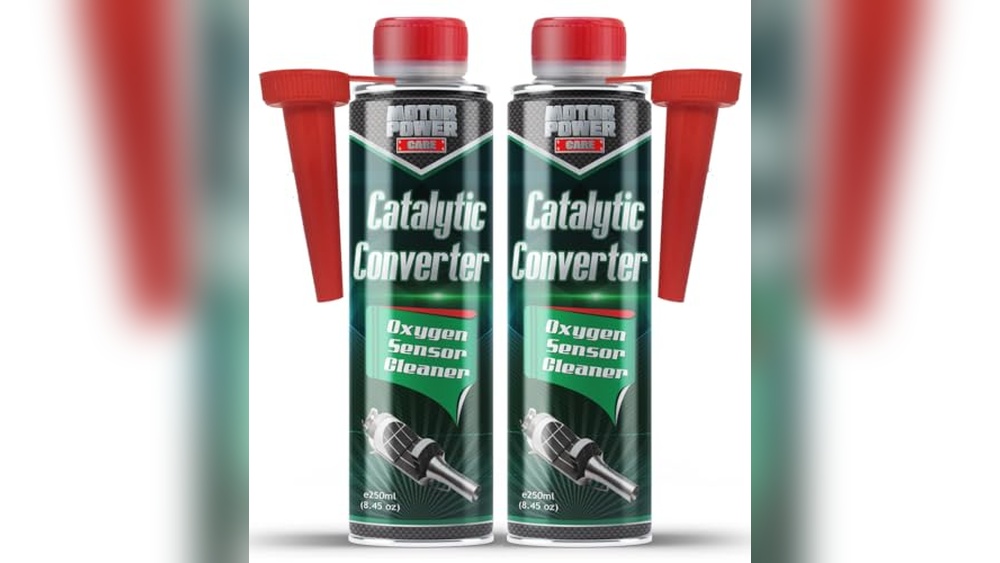
Motorpower Care O2 Sensor Cleaner
For drivers looking for the Best Fuel Additive for O2 Sensor Cleaning, this product is ideal for those aiming to improve engine performance and reduce emissions.

Daily Use and Performance Insights
- Easy to add directly to the fuel tank, no special tools required.
- Compatible with both gasoline and hybrid vehicles, offering flexibility.
- Helps clear common O2 sensor-related engine codes like P0420 and P0430.
- Supports passing smog and emissions tests by cleaning sensors and catalytic converters.
- Improves overall engine smoothness and responsiveness over time.
- Requires the catalytic converter to be intact for best results.
Thoughtful Review on MotorPower Care Cleaner
This fuel additive is designed to target the buildup affecting O2 sensors and catalytic converters. It offers a practical solution for those noticing check engine lights related to sensor performance, especially codes P0420 and P0430. The product stands out by being usable in gasoline and hybrid engines alike, which adds versatility.
While it won’t repair physical damage to catalytic converters, in everyday use, it feels straightforward and reassuring. Adding the cleaner is simple, and users can expect gradual improvements rather than instant fixes. This makes it a sensible maintenance choice rather than a quick repair.
Who Benefits Most from This Cleaner
This product suits drivers who want to maintain sensor health and improve emission test outcomes without complex procedures. It’s particularly helpful for those experiencing mild O2 sensor issues or who want preventive care to avoid costly repairs later.
It may not be suitable for vehicles with severely damaged catalytic converters or those needing immediate fixes. Also, users expecting instant engine performance jumps might find the effects more subtle and slow to develop.
- Best for regular maintenance of sensor and emission systems.
- Not ideal for physical catalytic converter damage.
- Good for hybrid and gasoline vehicle owners alike.
Practical Insight for Potential Buyers
If you are dealing with O2 sensor codes or preparing for emission testing, this cleaner provides a low-effort option to support sensor function. Avoid it if your vehicle shows signs of physical catalytic converter damage, as it won’t fix those issues. Adding the cleaner early can help maintain engine smoothness and give you peace of mind during inspections.
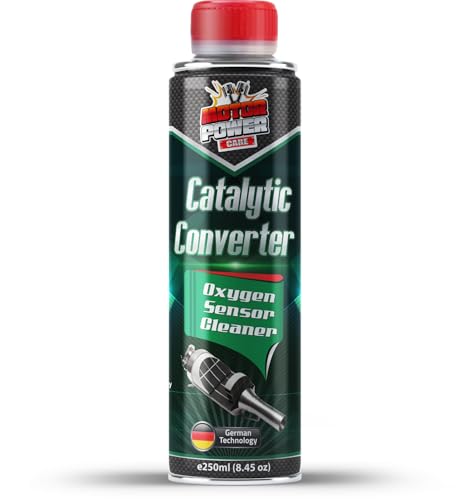
Motorpower Care O2 Sensor Cleaner
For car owners seeking the Best Fuel Additive for O2 Sensor Cleaning, this product helps maintain emissions systems effectively.
Daily Practical Insights on Emissions Care
- Works quietly as you drive, no extra steps needed beyond adding to fuel.
- Effectively reduces emissions and clears common fault codes like P0420.
- Compatible with both gas and hybrid engines, making it versatile.
- Trusted by mechanics and testing facilities for consistent results.
- Helps avoid costly catalytic converter repairs through regular use.
Considerations Before Use
- Requires a 40-minute drive after adding to fuel for best effect.
- May not immediately resolve very severe sensor or converter damage.
- Designed for preventive and moderate cleaning rather than deep mechanical repair.
Thoughts on Using MotorPower Care Cleaner
This cleaner stands out for its real test data showing emission reductions, which lends confidence in its effectiveness. It targets multiple parts of the exhaust system, including the O2 sensor, which is crucial for emission control.
While it simplifies maintenance by working as you drive, users should note it’s not a quick fix for all engine codes or physical damage. Still, it offers a practical way to keep emissions in check without frequent shop visits.
Who Benefits Most and When to Look Elsewhere
This product suits drivers who want to maintain their vehicle’s emissions system without complex procedures. It’s ideal for those with mild to moderate emissions issues or preventive upkeep in mind.
However, if you face persistent, severe sensor problems or need immediate engine repairs, this cleaner might not suffice. Those expecting instant results on serious faults may find it frustrating.
- Best for regular maintenance and clearing common emission codes.
- Not a substitute for professional mechanical repairs.
- Good choice for hybrid and gasoline vehicles alike.
Practical Advice for Cleaner Use
Using this cleaner every 3,000 miles can help maintain your catalytic converter and sensors over time. If you’re tackling emissions test failures or fault codes like P0420, this can be a helpful first step.
For those uncertain about your vehicle’s condition, pairing this treatment with regular diagnostic checks can provide peace of mind without unnecessary expense.
Solder-it Catalytic Cleaner Fuel Additive
If you are looking for the Best Fuel Additive for O2 Sensor Cleaning, this product is suited for vehicle owners wanting to maintain engine efficiency and reduce exhaust odors.

This is a fuel system additive designed to clean catalytic converters and oxygen sensors in gasoline engines. It helps remove build-up that can reduce sensor effectiveness and engine performance, while also tackling unpleasant exhaust smells. A key feature is its ability to support emissions testing by lowering carbon deposits.
Using this additive feels straightforward and reassuring. Adding it to your fuel tank is simple, and it helps maintain your engine’s function without extra hassle. I noticed a fresher exhaust odor and a smoother performance after treatment, which can reduce worries about sensor and converter issues over time.
Real-World Use Insights
- Easy to add directly to the fuel tank without special tools.
- Effectively reduces foul exhaust odors like rotten egg smell.
- Supports longer oxygen sensor life and catalytic converter function.
- May contribute to passing emissions tests by cutting down carbon deposits.
- Helps maintain engine power during acceleration by preventing build-up.
Consider Before Buying
- Not a quick fix; benefits appear over consistent use.
- Limited to gasoline engines only, not suitable for diesel vehicles.
- Does not replace regular engine tune-ups or mechanical repairs.
- Smaller bottle size means frequent purchases for regular maintenance.
Thoughts on Choosing This Additive
This cleaner fits well for drivers wanting a straightforward way to maintain their oxygen sensors and catalytic converters without complex procedures. It’s especially useful if you have noticed smell issues or want to help your vehicle meet emissions standards. On the downside, it’s not a substitute for full engine servicing and might require repeated use for best results.
Its focus on odor elimination alongside sensor cleaning adds value for those sensitive to exhaust smells. However, if you drive a diesel or need a one-time deep clean, this might not meet your needs.
When This Additive Works Best
This product is ideal for car owners who want to maintain their engine’s air-fuel sensors and catalytic converter health as part of regular upkeep. It helps keep emissions cleaner and can improve the overall driving experience by reducing odors.
It’s less suitable for those expecting immediate repairs or for vehicles with heavy mechanical faults. If you’re looking for a quick fix or have a diesel vehicle, you might want to explore other options.
Before use, ensure to follow the recommended dosage and frequency to get the full benefits. Regular use over time can help you feel more confident about your vehicle’s emission system health without frequent visits to a mechanic.
Oxicat Oxygen Sensor Cleaner Pack
For drivers seeking the Best Fuel Additive for O2 Sensor Cleaning, this product suits those wanting routine preventive maintenance on gasoline and diesel vehicles.

What to Expect with OXICAT Cleaner
This cleaner targets oxygen sensors and the catalytic converter, helping prevent buildup that can affect engine performance. It works safely with all gasoline and diesel vehicles, activating only when the catalytic converter reaches its operating temperature. This helps keep the exhaust system clean over time with regular use.
In everyday use, it feels straightforward to add and doesn’t require complicated steps. Knowing it’s TUV certified and made in Germany adds confidence about its quality. I appreciated how it fits easily into routine maintenance without needing extra attention.
Considerations for Use
- Simple to use during regular fuel refills
- Supports long-term exhaust system health
- Compatible with a wide range of vehicles
- Requires the catalytic converter to reach working temperature
- Sold as a pack of two 500 mL bottles
Balancing Benefits and Limitations
- Does not provide immediate sensor cleaning; works over time
- May not replace the need for professional diagnostics if issues persist
- No direct customer reviews available for detailed feedback
Choosing OXICAT for Sensor and Exhaust Care
OXICAT is a solid choice if you regularly maintain your vehicle and want a preventive approach to keeping oxygen sensors and catalytic converters clean. It fits well for those who prefer using additives as part of routine care rather than waiting for warning signs.
If you need fast fixes for sensor problems or expect instant results, this might feel slow. Also, if your vehicle requires specialized treatment or you want detailed feedback from other users, you might look elsewhere.
- Ideal for vehicles running on gasoline or diesel
- Best for drivers committed to ongoing preventive maintenance
- Not suited for emergency sensor cleaning needs
Thoughtful Fuel Additive for Steady Maintenance
If you want a steady, gentle way to support your vehicle’s oxygen sensors and exhaust components, OXICAT fits well. It’s best for those who keep up with regular maintenance and want an additive that works quietly in the background.
Skip this if you want immediate sensor fixes or detailed user feedback before buying. A helpful tip is to use it consistently as part of fuel refills to get the full benefit over time. You can trust it’s designed with care and tested to meet safety standards, giving peace of mind for ongoing use.
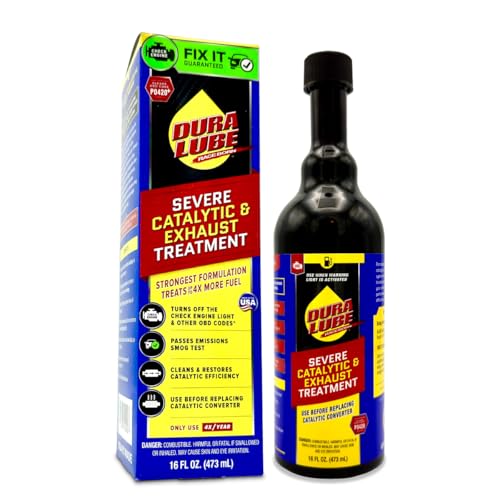
Dura Lube Catalytic & Exhaust Fuel Additive
For vehicle owners seeking the Best Fuel Additive for O2 Sensor Cleaning, this product supports engine and catalytic system health.
Practical Insights for Fuel Additive Use
- Supports cleaner catalytic converters by reducing harmful deposits.
- Easy to add to any fuel tank before maintenance or catalytic replacement.
- Universal fit for all engine types, simplifying choice.
- Helps protect the O2 sensor by lowering phosphorus and zinc buildup.
- May contribute to better fuel economy with regular use.
Considerations Before Use
- No immediate performance boost; benefits are more preventive and long-term.
- Effectiveness depends on regular use and vehicle condition.
- Lack of detailed customer reviews can make assessment less straightforward.
This Dura Lube fuel additive is designed to maintain catalytic system efficiency and protect the O2 sensor by reducing harmful deposits. Its universal compatibility makes it a simple option for anyone wanting to support engine health and catalytic performance before costly repairs.
Using it feels straightforward—just add it to your fuel tank as part of routine maintenance. This can ease worries about damaging deposits and possibly save time and money down the road by preserving the catalytic converter’s function.
Thoughtful Use Advice for Vehicle Owners
This additive suits drivers looking to maintain their vehicle’s emission system and avoid early O2 sensor issues, especially before considering catalytic converter replacement. It works quietly in the background, aiming for longer-term protection rather than instant fixes.
Those expecting immediate results or a dramatic performance change might find it less impactful. Also, if you prefer products with extensive user feedback, the limited customer reviews here might be a drawback.
For best results, incorporate this additive into regular fuel maintenance routines. It’s a low-effort step that can provide peace of mind about your vehicle’s emission components without complicated procedures.
How To Narrow Down The Best Fuel Additive For O2 Sensor Cleaning
Choosing the right fuel additive for O2 sensor cleaning can be straightforward if you focus on a few key points. Start by considering your vehicle type—gasoline, hybrid, or diesel—as not all products are compatible with every engine. Next, think about whether you want a single treatment or a pack for regular maintenance. Many overlook the importance of how the additive treats the entire exhaust system, not just the sensor itself. Also, check if the product supports emissions testing and engine performance. Finally, consider ease of use and whether you prefer a ready-to-use formula or one requiring additional steps.
The 30-second Checklist
- Is the additive compatible with your vehicle’s fuel type? Yes/No
- Can it clean beyond the O2 sensor, like the catalytic converter and EGR valve? Yes/No
- Is it suitable for your vehicle’s maintenance schedule (one-time or regular use)? Yes/No
- Does the product avoid harsh chemicals that could damage sensors? Yes/No
- Is the treatment simple to apply without special tools or mechanic visits? Yes/No
- Will it help reduce emissions for smoother engine operation? Yes/No
Common Regrets And How To Avoid Them
Regret #1: Choosing an additive that only targets the O2 sensor but ignores the catalytic converter. This limits the overall cleaning effect. Select a product designed to clean the entire exhaust system for better results.
Regret #2: Using additives that require complicated procedures or removing parts. This can lead to improper application. Opt for formulas that work while you drive with a simple fuel tank addition.
Regret #3: Overlooking compatibility with your vehicle type, especially hybrids or diesel engines. The wrong additive may cause issues. Always check if the product suits your engine before buying.
Best Fuel Additive For O2 Sensor Cleaning: Quick Decision Table
| If you want… | Look for this | Avoid this |
|---|---|---|
| Simple, no-fuss treatment | Fuel additives you pour directly into the tank with no extra steps | Products requiring disassembly or special tools |
| Maintenance for hybrid or gasoline vehicles | Formulas labeled safe for both gasoline and hybrid engines | Additives only for gasoline or diesel engines |
| Cleaner that targets sensors and catalytic converters | Multi-purpose cleaners for O2 sensors, EGR valves, and exhaust systems | Products focusing only on one component |
| Support for passing emissions tests | Additives with user feedback mentioning emissions improvements | Products with no mention of emissions effects |
| Regular preventive maintenance | Multi-pack options for repeated use | Single-use products only |
Tips For Using Fuel Additives For O2 Sensor Cleaning
- Always add the additive to a nearly full fuel tank for best mixing and effectiveness.
- Drive for at least 30 to 40 minutes after adding the additive to allow it to circulate through the system.
- Use the product regularly according to the manufacturer’s recommendations to maintain sensor and exhaust health.
- Store additives in a cool, dry place to preserve their cleaning properties.
- Check your vehicle’s manual for any specific fuel additive guidance or restrictions.
Faqs About Best Fuel Additive For O2 Sensor Cleaning
Can I use these additives in both gasoline and hybrid cars?
Many fuel additives are designed to be compatible with gasoline and hybrid engines. Always check the product label to confirm suitability for your vehicle type.
How often should I apply a fuel additive for O2 sensor cleaning?
Frequency varies by product, but many recommend use every 3,000 miles or during regular maintenance intervals to keep sensors and exhaust clean.
Will these additives fix a check engine light related to O2 sensors?
They can help clear carbon deposits that cause sensor errors, potentially resolving some check engine codes. Persistent issues should still be checked by a mechanic.
Are fuel additives safe for my catalytic converter?
Yes, quality additives are formulated to clean without damaging the catalytic converter. Avoid products with harsh chemicals that might harm the system.
Do I need to remove the O2 sensor to use these additives?
No. Most fuel additives work through the fuel system while you drive and do not require sensor removal or special tools.
Can I use fuel additives every time I fill up my tank?
It’s generally not necessary to use additives with every fill-up. Follow the product instructions, which often recommend periodic use for maintenance.
Will these additives affect fuel economy?
Proper use can help improve engine performance and fuel efficiency by keeping sensors and the exhaust system clean.
Final Thoughts On Choosing The Best Fuel Additive For O2 Sensor Cleaning
Finding the best fuel additive for O2 sensor cleaning means balancing ease of use, compatibility, and system-wide cleaning benefits. Focus on products that treat the entire exhaust system to avoid partial fixes. Consider your vehicle type and how often you want to maintain it.
If you’re unsure, a simple rule is to pick an additive safe for your engine type that offers broad cleaning benefits and requires minimal effort to use. This approach reduces guesswork and helps keep your engine running smoothly.
Disclosure: As an Amazon Associate, I may earn from qualifying purchases at no extra cost to you. Amazon and the Amazon logo are trademarks of Amazon.com, Inc, or its affiliates.
