
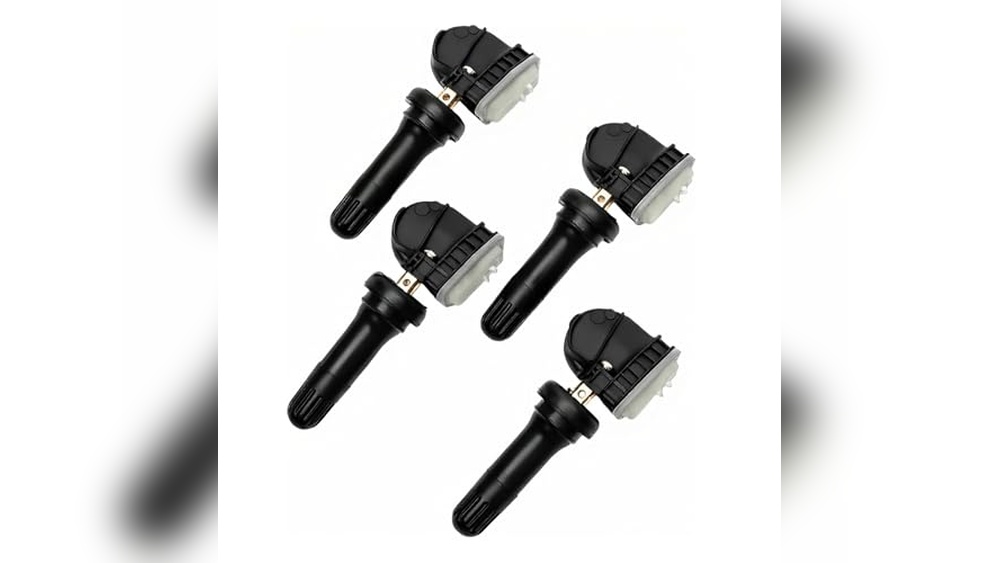
When it comes to choosing between OEM vs aftermarket TPMS for your Ford F150, it can get confusing. Both options have their pros and cons, and knowing which one fits your needs is key. OEM parts are made by the original manufacturer, so they often guarantee perfect fit and reliability. Aftermarket TPMS, on the other hand, can offer more variety and sometimes better prices. But how do you decide which is better for your truck? It depends on what you value most—whether it’s exact compatibility, cost, or availability. Let’s break down the differences to help you make a smart choice for your Ford F150’s tire pressure system.
Newhow Tpms Sensors For Ford F150
For those comparing Oem Vs Aftermarket Tpms Ford F150 Which is Better, this set is designed for Ford F150 owners seeking reliable replacement sensors.
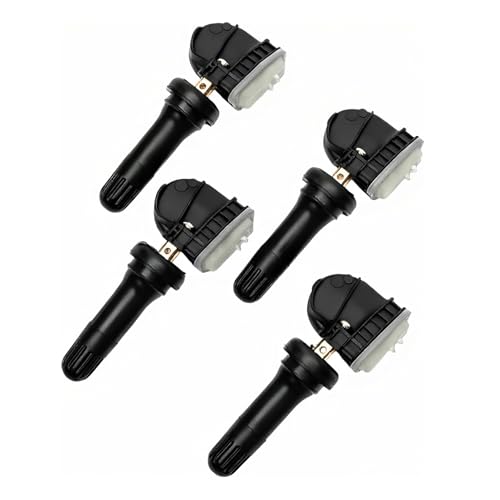
This product is a set of four replacement TPMS sensors designed specifically for Ford F-Series trucks and Lincoln vehicles from model years 2015 to 2024. It addresses issues like error codes U0155 and U0401 as well as signal loss in cold climates, which can be common problems with aging or faulty TPMS units. One standout feature is its IP67 submersible design, making it highly durable and resistant to harsh weather conditions.
Installing these sensors is straightforward, and they self-learn within about 8 miles of driving, which simplifies setup for most users. The sensors feel solid and reliable in daily use, providing confidence that your tire pressure monitoring system will function accurately without frequent false alerts. This makes it easier to maintain proper tire pressure and safety without added hassle.
Usage Insights for Replacement TPMS Sensors
- Fits Ford F-150 and similar models exactly, ensuring compatibility.
- Installation is generally quick, with most learning protocols automated.
- Durable design withstands extreme temperatures and salt spray.
- Reduces common TPMS errors and signal loss problems.
- Includes corrosion-resistant stems for longer life.
- Some vehicle models might still require a relearn tool.
- Not suitable for those seeking sensors outside the 315MHz frequency.
- Limited warranty coverage compared to some OEM options.
Balanced View for Ford F150 TPMS Replacement
This sensor set fits well for Ford F150 owners who want a dependable aftermarket option that performs closely to OEM units. It handles tough weather and driving conditions without causing false alerts, which is a strong plus for everyday use.
However, if you prefer a fully OEM-branded product or need sensors for unusual vehicle configurations, this might not be the best fit. Also, some users may require additional tools for sensor relearning, which adds a small step to installation.
Considerations Before Choosing This TPMS Set
If you drive a Ford F150 from 2015 to 2024 and want a sensor set that balances durability and ease of use, this option is worth considering. It offers a solid alternative when deciding Oem Vs Aftermarket Tpms Ford F150 Which is Better without sacrificing quality.
On the other hand, skip this if your truck uses a different frequency or if you want the reassurance of a full OEM warranty and support. A practical tip is to check your vehicle’s exact TPMS frequency before purchase to ensure compatibility.
Overall, it’s a reliable choice that should work well for many, providing peace of mind with its rugged design and easy installation process.
Yydzsmdm Ford F150 Tpms Sensors
If you’re weighing Oem Vs Aftermarket Tpms Ford F150 Which is Better, this set is for Ford F150 owners who need reliable tire pressure monitoring replacement sensors.

Features That Matter in Use
- Pre-programmed for direct fit to Ford F150 (2015-2024) and other Ford models, simplifying installation.
- Uses a stable 315MHz frequency for accurate tire pressure readings, improving safety.
- Waterproof and dustproof design ensures durability in varied weather conditions.
- Long-lasting battery life of 5 to 8 years reduces frequent replacements.
- Compatible with multiple Ford and Lincoln models, making it versatile for many users.
Considerations Before Purchase
- Requires manual relearn or reset after installation, which may take some effort or a visit to a mechanic.
- Not an OEM product, so some may prefer factory-branded sensors for original equipment assurance.
- Limited to specific Ford and Lincoln model years, so verification is needed before purchase.
Thoughts on Choosing Aftermarket TPMS
This YYDZSMDM TPMS sensor set offers a practical alternative to OEM parts for Ford F150 owners. It targets key issues like sensor accuracy and durability, which are essential for tire safety and performance. While it’s pre-programmed to reduce hassle, the need for manual relearning after installation is a minor inconvenience to keep in mind.
Using these sensors feels straightforward once installed. They provide dependable real-time monitoring that can give peace of mind on the road. The build quality and waterproof features mean they handle rough conditions well, a big plus for trucks often used in varying environments.
Finding Balance in Your TPMS Choice
If you want a cost-effective, reliable sensor set for your Ford F150 without the OEM price tag, this product is worth considering. It fits well for drivers comfortable with some DIY steps like sensor relearning. However, if you prefer a fully plug-and-play experience guaranteed by the manufacturer, OEM sensors might be a better fit.
One tip: check your vehicle’s manual for relearn instructions before installation to avoid surprises. Overall, this set strikes a reasonable balance of quality and usability, making it a solid aftermarket TPMS option for many Ford truck owners.
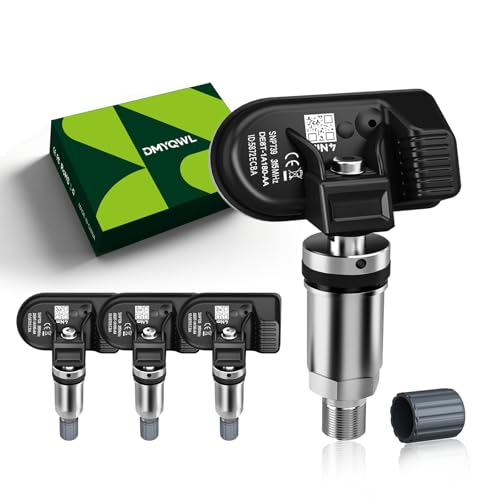
Dmyqwl Ford Pickup Tpms Sensors
For Ford F150 owners weighing Oem Vs Aftermarket Tpms Ford F150 Which is Better, this sensor fits trucks from 2009 to 2016 models and offers a practical replacement option.
Usage Highlights and Considerations
- Pre-programmed to work immediately without coding, saving installation time.
- Durable aluminum alloy valve ensures longevity under tough driving conditions.
- Compatible with multiple Ford truck models, providing versatile replacement options.
- Monitors tire pressure from -40℃ to 125℃, suitable for varying climates.
- Backed by a 2-year warranty, offering some peace of mind.
- Limited to specific Ford models; not universal across all vehicles.
- Requires a TPMS scan tool for installation confirmation, which may add a step.
- No explicit mention of customer reviews; real-world feedback is limited.
Thoughts on Choosing Between OEM and Aftermarket
This DMYQWL TPMS sensor presents a balanced choice for those exploring Oem Vs Aftermarket Tpms Ford F150 Which is Better. It delivers reliable performance close to OEM standards but at a potentially lower cost and with easier installation due to pre-programming. The durable design and verified fitment help ensure confidence in daily use.
However, if you prefer full OEM parts from the vehicle manufacturer, you might find this aftermarket option slightly different in terms of brand assurance. Still, for many, the ease of installation and solid durability offer practical benefits that matter on the road.
Who Might Consider This Sensor
This sensor is a good fit for Ford truck owners who want a cost-effective, ready-to-install TPMS replacement without complex setup. It suits drivers who value durability and broad model compatibility within the Ford pickup range.
Those wanting exact OEM branding or comprehensive customer feedback might want to look elsewhere. Also, if you lack access to a TPMS scan tool, the installation process might feel less straightforward.
- Fits multiple Ford truck models from 2009 to 2016
- Pre-programmed for quick installation
- Durable aluminum valve and rugged design
- Requires TPMS scan tool for setup confirmation
- Backed by a 2-year warranty
Cdwtps Ford F150 Tpms Sensors 4-pack
For Ford F150 owners weighing the Oem Vs Aftermarket Tpms Ford F150 Which is Better question, this product suits those needing reliable replacement sensors compatible with several Ford models.

The CDWTPS TPMS Sensor 4-Pack is a direct replacement for original Ford TPMS sensors, designed to monitor tire pressure accurately across multiple Ford, Lincoln, and Mercury vehicles. It addresses the challenge of maintaining proper tire pressure without costly dealership visits, as these sensors come pre-programmed to fit your specific vehicle model.
Using these sensors feels straightforward and dependable. Activation only requires a scan tool, making installation less time-consuming. The long-lasting battery ensures consistent performance, offering peace of mind on the road without frequent sensor replacements.
Daily Use Highlights
- Pre-programmed sensors eliminate extra programming steps.
- Compatible with multiple Ford and Lincoln models for versatile use.
- Long battery life supports years of reliable monitoring.
- Professional testing reduces chances of installation issues.
- Activation requires only standard scan tools, saving time.
Considerations Before Buying
- Compatibility should be double-checked to avoid installation fees.
- Lack of in-box programming may require access to a scan tool.
- Not suitable for users wanting OEM-branded sensors.
Choosing the Right TPMS Sensor
This sensor set fits well for Ford F150 owners comfortable with aftermarket parts that match OEM specifications closely. It works best if you have access to a scan tool and want to avoid dealership service costs.
Those who prefer strictly branded OEM parts or dislike handling programming steps might find this option less appealing. Also, if you cannot confirm compatibility before purchase, this could lead to extra expenses.
- Good for DIY installers with basic scan tools.
- Ideal for those prioritizing cost-effectiveness over brand labeling.
- Skip if you need guaranteed OEM branding and support.
A Thoughtful Choice for Ford TPMS Replacement
If you are deciding between OEM and aftermarket TPMS sensors for your Ford F150, this CDWTPS set offers a practical balance of fit and function without the premium price tag. It is suitable for users ready to handle sensor activation themselves and who want reliable monitoring over years.
However, if you dislike managing compatibility checks or programming tools, this may not be the best fit. A practical tip is to verify your vehicle model carefully and ensure you have or can access the scan tool needed for activation. With that in place, this sensor pack can be a dependable, cost-conscious solution.
Masoll Ford Tpms Sensor 4-pack
For Ford F150 owners wondering about Oem Vs Aftermarket Tpms Ford F150 Which is Better, this Masoll TPMS sensor pack suits those needing reliable tire pressure monitoring replacements.
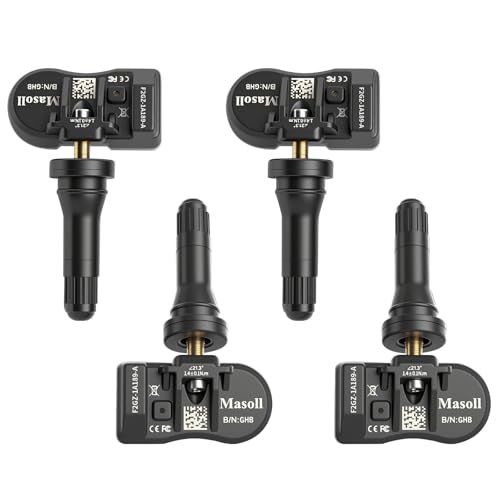
This set of four Masoll TPMS sensors is designed for Ford and Lincoln vehicles, including the F150. It addresses the need to maintain accurate tire pressure readings by replacing faulty or aging sensors. A notable feature is its dual antenna design, which ensures a strong signal even on larger trucks, improving safety and performance.
Using these sensors feels straightforward, though relearning via the vehicle’s ECU is necessary after installation. The sensors provide confidence thanks to their precision and durable battery life, which lasts years even in extreme temperatures. This helps maintain consistent tire pressure monitoring without frequent replacements.
Practical Insights for Ford TPMS Users
- Strong signal reception on full-size trucks and SUVs
- Pre-programmed sensors simplify initial setup
- High accuracy with a 1.5 psi pressure margin
- Long-lasting battery supports harsh weather conditions
- Requires relearning process with TPMS tool after install
- Valves designed to resist corrosion and wear
Choosing Masoll Sensors: What to Expect
This product is well suited for Ford F150 owners wanting a cost-effective aftermarket TPMS solution that does not compromise on signal quality or durability. However, users seeking a completely plug-and-play experience might find the required relearn step a minor inconvenience. Still, the robust build and compatibility with many Ford models make it a sensible choice.
Thoughts on Selecting TPMS for Ford F150
If you prioritize sensor reliability and longevity, these Masoll sensors offer a balanced option between OEM and aftermarket. They bring solid performance with minimal fuss once installed and programmed. For those who dislike any extra setup steps, an OEM sensor might feel easier, but often at a higher price.
Consider This When Updating Your TPMS
Buyers replacing sensors on Ford F150s who want dependable readings and signal strength should consider this set. Those expecting zero setup or instant plug-and-play may want to look elsewhere. A practical tip is to have a TPMS relearn tool ready to complete installation smoothly. Overall, these sensors provide peace of mind through consistent monitoring without frequent battery concerns.
Narrowing Down Your Tpms Choices For Ford F150
Choosing between OEM and aftermarket TPMS sensors can feel overwhelming. Start by identifying your vehicle’s model year and specific TPMS system compatibility. Consider whether you want a sensor that comes pre-programmed or one that requires a relearn procedure. Most people miss checking if the sensor supports your truck’s tire pressure range and climate conditions. Also, think about how important warranty and customer support are for you. Finally, factor in your budget but don’t let price be the sole deciding factor.
The 30-second Tpms Compatibility Checklist
- Does the sensor match your Ford F150’s model year and trim?
- Is the sensor frequency (usually 315 MHz) compatible with your vehicle?
- Does the sensor come pre-programmed or require a relearn process?
- Is the sensor designed to handle your typical driving conditions and climate?
- Can the sensor be installed without specialized tools or dealer visits?
- Does the sensor have a warranty that meets your expectations?
Common Buyer Regrets And How To Avoid Them
Regret #1: Buying a sensor that doesn’t fit your exact Ford F150 model year. This leads to installation headaches and error codes. Double-check compatibility with your vehicle’s year and TPMS system before purchasing.
Regret #2: Overlooking the need for sensor relearn or programming. Even pre-programmed sensors sometimes need a reset procedure. Keep your vehicle manual handy or consult a professional to avoid unnecessary frustration.
Regret #3: Choosing a sensor without considering durability in your driving environment. Sensors exposed to extreme temperatures or corrosion can fail prematurely. Look for sensors with weather-resistant materials and good reviews on longevity.
Oem Vs Aftermarket Tpms Ford F150 Which Is Better: Quick Decision Table
| If you want… | Look for this | Avoid this |
|---|---|---|
| Guaranteed fit and factory calibration | OEM TPMS sensors or direct OEM replacements | Generic aftermarket sensors without model-specific programming |
| Lower cost without sacrificing compatibility | High-quality aftermarket sensors pre-programmed for Ford F150 | Cheap no-name sensors with unclear specs and no warranty |
| Easy installation with minimal tools | Pre-programmed sensors that self-learn or require simple relearn | Sensors needing expensive programming tools or dealer visits |
| Long sensor battery life and weather resistance | TPMS with IP67 rating and automotive-grade batteries | Sensors without weatherproofing or unknown battery specs |
| Wide vehicle compatibility for multiple Ford models | Aftermarket sensors listing multiple Ford model years and trims | OEM sensors limited to only one model without flexibility |
Tips For Installing And Using Your Ford F150 Tpms Sensors
- After installing sensors, perform a relearn procedure if your vehicle requires it. Consult your Ford F150 manual for specific steps.
- Use a TPMS scan tool or compatible app to verify sensor activation and proper signal transmission.
- Keep sensors clean and check valve stems regularly to prevent corrosion and signal loss.
- Replace all sensors at once if possible to maintain consistent battery life and performance.
- Note the sensor frequency (usually 315 MHz) when choosing replacements to ensure communication with your truck’s ECU.
Faqs About Oem Vs Aftermarket Tpms Ford F150 Which Is Better
Will aftermarket TPMS sensors fit my Ford F150 without issues?
Many aftermarket sensors are designed to fit specific Ford F150 model years and use the same frequency as OEM sensors. However, always verify compatibility before purchasing to avoid fit or communication problems.
Do I need to program or relearn aftermarket TPMS sensors after installation?
Most aftermarket sensors come pre-programmed but still require a relearn procedure to sync with your truck’s system. This is a simple process that can often be done with a scan tool or following your vehicle’s instructions.
Are aftermarket TPMS sensors as durable as OEM ones?
Quality aftermarket sensors often match OEM durability, with features like waterproofing and robust batteries. Check product details and reviews to ensure the sensor suits your climate and usage.
Can I return TPMS sensors if they don’t work with my Ford F150?
Return policies vary by seller. It’s best to confirm the return terms before buying and ensure the sensors are compatible with your vehicle to reduce the chance of needing a return.
Will TPMS sensors affect my vehicle’s safety or ride comfort?
TPMS sensors monitor tire pressure and do not affect ride comfort or vehicle safety directly. Properly working sensors improve safety by alerting you to under-inflated tires.
How long do TPMS sensor batteries typically last?
Most TPMS sensors have batteries that last between 5 to 8 years, depending on usage and environmental factors. Replacing sensors after battery depletion is common since batteries are not usually replaceable.
Do aftermarket TPMS sensors cause false alerts more often than OEM?
Good quality aftermarket sensors generally have reliable performance similar to OEM. False alerts are usually due to installation issues or sensor incompatibility rather than the sensor brand itself.
Final Thoughts On Oem Vs Aftermarket Tpms Ford F150 Which Is Better
Deciding between OEM and aftermarket TPMS sensors for your Ford F150 depends largely on your priorities: guaranteed fit and factory specs versus cost savings and broader compatibility. Both options can work well if you pick sensors designed specifically for your truck’s model year and TPMS frequency.
If you want a straightforward choice, opt for OEM replacements for peace of mind. If budget and availability are concerns, a reputable aftermarket sensor with good reviews and proper programming support can serve you just as well. The key is matching the sensor to your vehicle’s exact needs and installation requirements.
Disclosure: As an Amazon Associate, I may earn from qualifying purchases at no extra cost to you. Amazon and the Amazon logo are trademarks of Amazon.com, Inc, or its affiliates.
