
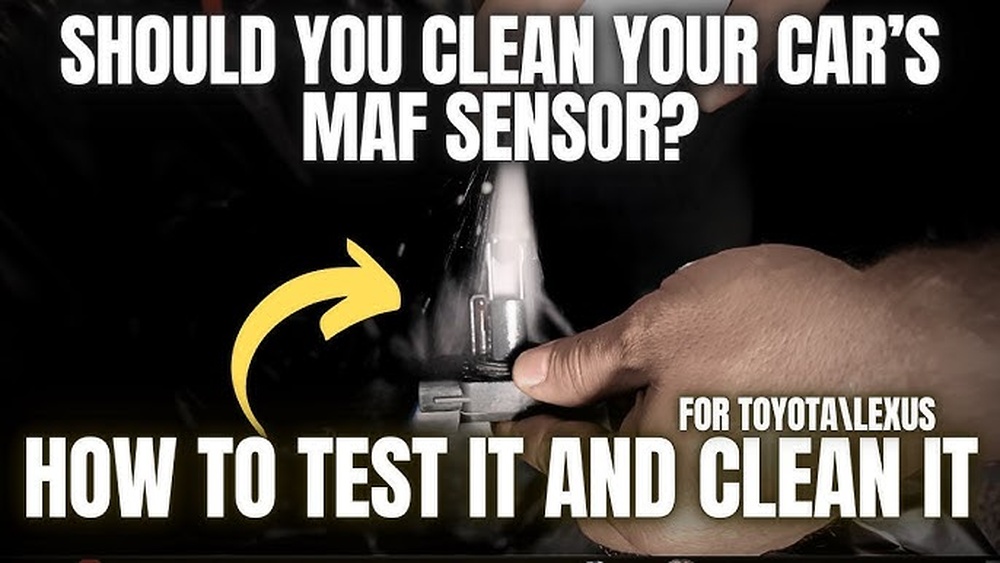
When your car’s engine starts running rough, loses power, or the check engine light comes on, many people immediately think of the MAF sensor—also known as the Mass Air Flow sensor. This small but essential part measures the amount of air entering your engine, helping the computer mix the right amount of fuel. A dirty or failing MAF sensor can cause major problems, but cleaning it without proper testing can sometimes do more harm than good. If you want to avoid wasting time or risking damage, it’s wise to test the MAF sensor before cleaning. This way, you’ll know if cleaning is necessary or if you need a full replacement.
Below, you’ll learn clear, step-by-step ways to test your MAF sensor, what tools to use, how to interpret the results, and what mistakes to avoid. Even if you’re new to car repairs, this guide will make the process straightforward and safe.
What Is A Maf Sensor And Why Test It?
The Mass Air Flow (MAF) sensor is a key part of your car’s engine management system. It measures the volume and density of air coming into the engine, so the computer knows how much fuel to add. If this sensor fails, your car can run poorly, stall, or use too much fuel.
Testing the MAF sensor before cleaning is important because:
- Some sensors may not be dirty, but actually damaged.
- Cleaning a broken sensor won’t fix engine problems.
- You can avoid unnecessary work and costs.
Beginner tip: Not all engine issues are related to the MAF sensor. Sometimes, a faulty sensor can mimic other problems, such as bad spark plugs or vacuum leaks.
Signs Of A Bad Or Dirty Maf Sensor
You don’t need advanced tools to spot the early signs of a failing MAF sensor. Watch for:
- Rough idle when the car is stopped
- Hesitation or stumbling during acceleration
- Poor fuel economy
- Check engine light (often with codes like P0100, P0101, P0102, or P0103)
- Hard starting or stalling
- Black smoke from the tailpipe
Remember, these symptoms can overlap with other engine problems. Testing is the only way to confirm if the MAF sensor is the cause.
Credit: www.azosensors.com
Tools Needed To Test A Maf Sensor
You don’t need an advanced garage to test your MAF sensor. Here’s what you’ll need:
- Digital Multimeter – Essential for checking voltage and signal output.
- OBD-II Scanner – Helps to read live data and diagnostic codes (optional but very useful).
- Screwdriver or Torx driver – To remove the sensor if needed.
- Service manual or wiring diagram – Ensures correct wire identification.
- Gloves and safety glasses – For personal safety.
Practical note: Many people skip the wiring diagram, but each car model may have different wire colors for power and signal.
Step-by-step: How To Test A Maf Sensor Before Cleaning
Testing a MAF sensor is not as complicated as it sounds. Follow these clear steps to diagnose the sensor’s health.
1. Locate The Maf Sensor
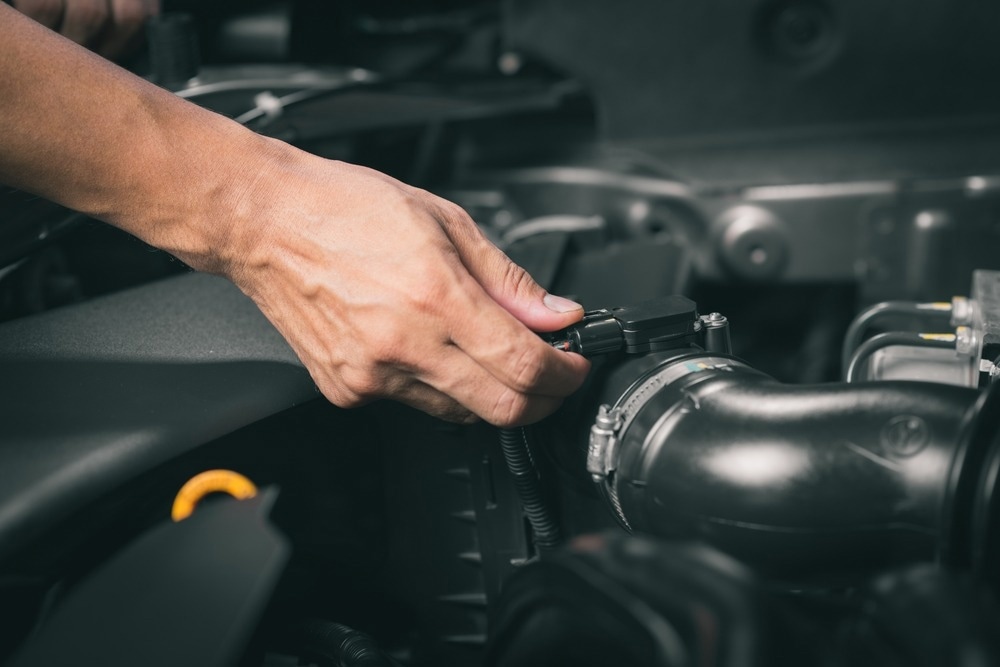
The MAF sensor is usually between the air filter box and the engine’s intake manifold. Look for a small device with an electrical connector and, sometimes, a honeycomb grid inside.
Extra insight: On some cars, the MAF sensor is integrated with the air filter housing. Always check your owner’s manual if you’re unsure.
2. Visually Inspect The Sensor And Wiring
Before using any tools, look for obvious signs of trouble:
- Broken wires
- Loose connectors
- Corrosion or dirt on plugs
- Cracks in the sensor housing
If you find these, fix them first. A loose connector can mimic a bad sensor.
3. Check For Diagnostic Trouble Codes (dtcs)
If you have an OBD-II scanner, plug it into the car’s diagnostic port (usually under the dashboard).
- Turn the ignition to ON (engine not running).
- Read any stored codes.
- Note codes like P0100–P0104 (they often point to MAF sensor problems).
Non-obvious tip: If you have codes for other sensors (like MAP or oxygen sensors), address those first, since they can also affect the MAF sensor readings.
4. Measure Maf Sensor Voltage Supply
Now, use your digital multimeter:
- Set the multimeter to DC volts.
- Turn the ignition to ON (engine off).
- Find the MAF sensor connector and identify the power supply wire (check the wiring diagram).
- Touch the multimeter’s red lead to the power wire and the black lead to ground.
You should see around 12 volts (for battery power) or 5 volts (for reference voltage, depending on car model).
If you see no voltage: The problem could be a blown fuse or bad wiring, not the sensor itself.
5. Test The Ground Wire
- Keep the black lead on the ground wire (usually black or brown).
- The voltage should be 0 or very close to 0 volts.
If you see voltage here, there’s a grounding problem.
6. Check The Signal Wire With Engine Running
This step reveals if the sensor is sending the right signal.
- Start the engine and let it idle.
- Identify the signal wire (check your wiring diagram—usually the middle wire).
- Set the multimeter to DC volts.
- Back-probe the signal wire: Insert the probe into the back of the connector while it’s still plugged in.
Typical readings:
- At idle: 0.6 to 1.0 volts (may vary by car)
- When revving: Voltage should increase smoothly
If the voltage jumps, drops out, or stays flat, the sensor may be faulty.
7. Use An Obd-ii Scanner For Live Data
Modern scanners can show real-time MAF readings. Look for:
- MAF (g/s): At idle, most engines read 2–7 grams/second. During acceleration, the value should rise with RPM.
- If the reading is stuck or jumps wildly, the sensor may be bad.
Example: If your scanner shows 0 g/s at idle or 200 g/s at idle, something’s wrong.
8. Tap Test (mechanical Sensitivity)
With the sensor connected and the engine idling, gently tap the sensor with a screwdriver handle. If the engine stumbles or the reading changes sharply, the sensor’s internal parts may be loose or failing.
9. Compare Readings To Factory Specs
Every car has specific MAF sensor values for idle, part-throttle, and full throttle. Check your service manual or look up the values online for your engine.
If your readings are far outside these ranges, the sensor could be faulty.
Non-obvious insight: A sensor can fail slowly, causing only slight drops in power or fuel efficiency. Don’t ignore small differences if they persist.
Common Mistakes When Testing A Maf Sensor
Many beginners (and even some experienced mechanics) make avoidable errors:
- Testing with a dirty air filter: A clogged filter can restrict air and make a good sensor look bad. Always check the air filter first.
- Disconnecting the MAF sensor to “test” it: Some people unplug the sensor to see if the engine runs better. This only forces the computer into a backup mode, which can mask other problems.
- Using the wrong wiring diagram: Wire colors can change between car models and years.
- Skipping ground checks: A bad ground can create strange sensor readings.
How To Interpret Maf Sensor Test Results
After testing, you’ll have some numbers and observations. Here’s how to understand them:
- Normal readings: Voltage and live data increase smoothly with RPM, no wild jumps or drops.
- No signal: Check wiring, fuses, and power supply before blaming the sensor.
- Erratic readings: If values jump, drop, or freeze, and the wiring is good, the sensor is likely faulty.
- High or low readings: Slightly off values may be due to a dirty sensor, while extreme values suggest a dead sensor or major air leak.
If everything checks out but your symptoms remain, look for other causes such as vacuum leaks, intake leaks, or faulty fuel injectors.

Credit: q20.co.za
When Should You Clean The Maf Sensor?
Clean the MAF sensor only if:
- It shows slightly low readings but still works.
- There are no broken wires or connector issues.
- No other engine problems are found.
- The sensor’s surface looks dirty or oily.
Never clean the sensor if it’s physically damaged, broken, or the wiring is faulty. Cleaning will not fix these problems.
Helpful tip: Always use a dedicated MAF sensor cleaner. Other sprays (like brake cleaner or carb cleaner) can damage the sensor.
Maf Sensor Test Results Comparison
Here’s a simple comparison of what you might see during testing:
| Test Condition | Normal MAF Reading | Dirty MAF Reading | Bad MAF Reading |
|---|---|---|---|
| Idle Voltage | 0.7–1.0V | 0.5–0.7V | 0V or erratic |
| Idle Airflow (g/s) | 2–7 | 1–3 | 0 or spikes |
| Revving Engine | Voltage/airflow rises smoothly | Rises slowly | No change or jumps randomly |
Maf Sensor Vs Other Common Engine Problems
Sometimes, the symptoms of a bad MAF sensor can be confused with other engine issues. Here’s a quick reference:
| Symptom | Likely Cause: MAF Sensor | Other Possible Causes |
|---|---|---|
| Rough Idle | Yes | Spark plugs, vacuum leaks |
| Poor Fuel Economy | Yes | O2 sensor, fuel injectors |
| Check Engine Light | Yes | Any sensor, emission controls |
| Black Smoke | Yes | Stuck injectors, bad fuel pressure regulator |
Key Takeaways For Testing Before Cleaning
- Always test the sensor before cleaning—this saves time and prevents unnecessary cleaning.
- Use a wiring diagram to identify the correct wires.
- Compare your readings to factory specs.
- Don’t skip checking for codes or inspecting the air filter.
- Cleaning only helps if the sensor is dirty and otherwise working.
Experience-based tip: Even if cleaning improves performance, a sensor that’s been cleaned multiple times may still need replacement soon.

Credit: www.youtube.com
Additional Resources
If you want to learn more about sensor testing and automotive diagnostics, the AA1Car MAF Sensor Guide offers detailed charts and explanations.
Frequently Asked Questions
What Does A Maf Sensor Do?
The MAF sensor measures the amount of air entering the engine, so the computer can add the right amount of fuel. This keeps your car running smoothly and efficiently.
Can I Drive With A Bad Maf Sensor?
You can, but it’s not recommended. A bad MAF sensor can cause poor performance, high fuel use, and even damage your engine over time.
Is It Safe To Clean A Maf Sensor?
Yes, but only with a special MAF sensor cleaner. Do not use other sprays or touch the delicate sensor wires.
How Often Should I Test The Maf Sensor?
Test the MAF sensor if you have engine trouble, poor fuel economy, or a check engine light related to airflow issues. Regular testing is not required unless you see symptoms.
Will A Bad Maf Sensor Always Trigger A Check Engine Light?
No. Sometimes the sensor can fail slowly and not set a code right away. Always test if you see symptoms, even without a check engine light.
Testing your MAF sensor before cleaning is a smart, cost-effective way to diagnose engine problems. With the right tools and careful steps, you can avoid mistakes, save money, and keep your car running its best.
Disclosure: As an Amazon Associate, I may earn from qualifying purchases at no extra cost to you. Amazon and the Amazon logo are trademarks of Amazon.com, Inc, or its affiliates.
