
You can remove mineral buildup and restore performance by using a simple acidic solution to descale your electric kettle at home.
Supplies for cleaning your kettle
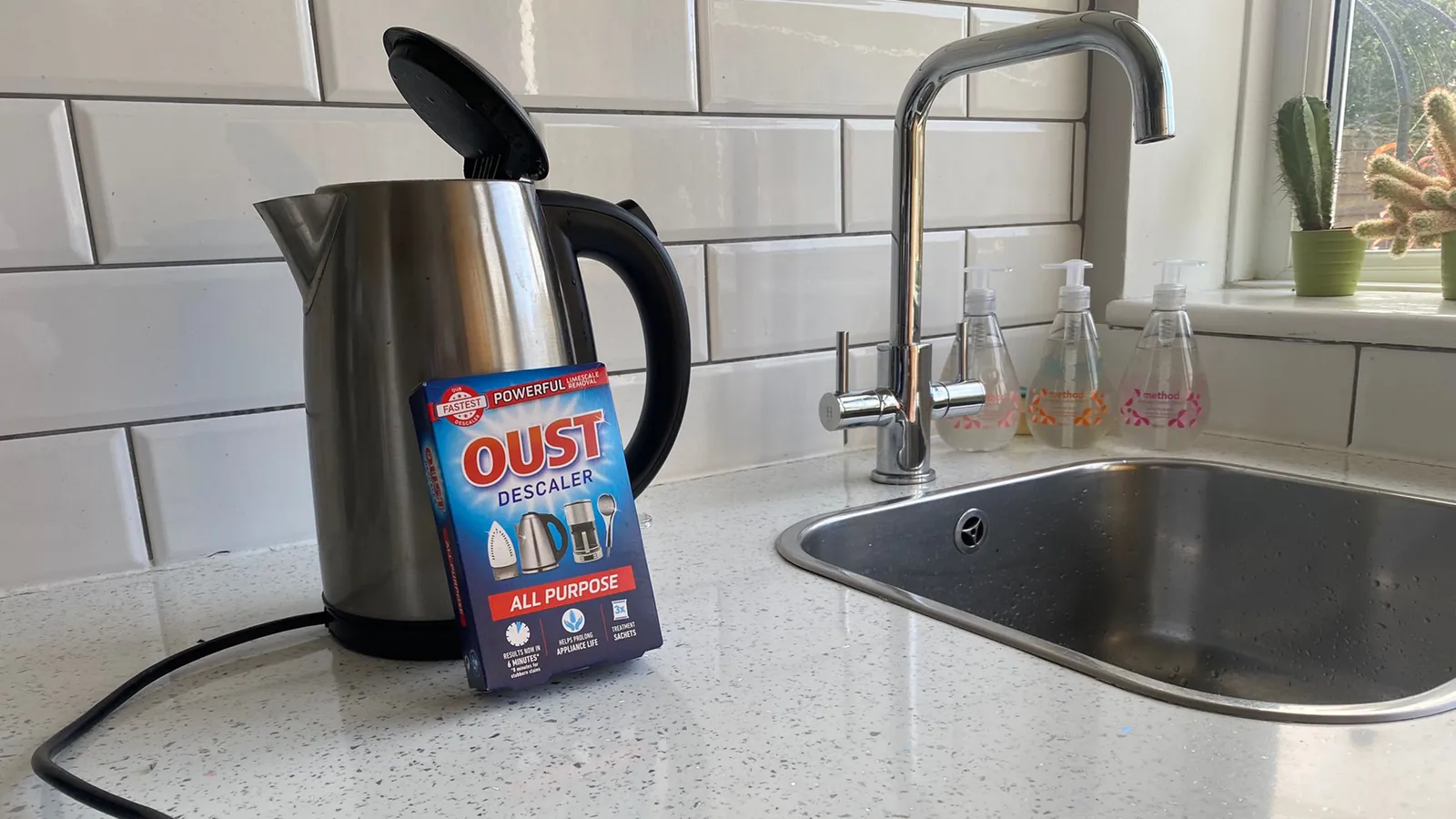
You need a few common items to clean your appliance effectively. If you don’t have these, don’t substitute with harsh chemicals like bleach, as they can damage the heating element or leave toxic residues.
| Item | How much | Why it’s needed | A substitute |
|---|---|---|---|
| White vinegar | 2 cups | Dissolves mineral deposits | Citric acid powder |
| Water | 2 cups | Dilutes the acid | None — don’t swap |
| Soft cloth | 1 piece | Wiping exterior surfaces | Microfiber towel |
| Soft brush | 1 piece | Scrubbing the spout | Soft toothbrush |
| Sink | 1 unit | Safe liquid disposal | None — don’t swap |
Preparation before you begin
- Unplug the power cord from the wall outlet to prevent accidental activation during the cleaning process.
- Empty all remaining water from the kettle to ensure the vinegar solution isn’t over-diluted.
- Wipe the exterior of the base and the kettle body with a damp cloth to remove dust or spills.
- Check the manufacturer’s manual for any specific warnings regarding the use of acidic cleaners on your model’s interior finish.
- If your kettle has a removable filter, take it out now to clean it separately.
You should always consult your manufacturer’s product manual for specific cleaning guidance. If you notice signs of corrosion on the heating element, stop the cleaning process immediately and contact the manufacturer for support. Attempting to repair internal electrical components isn’t safe; a capacitor inside the base can hold a lethal charge even when unplugged.
Steps to descale an electric kettle at home
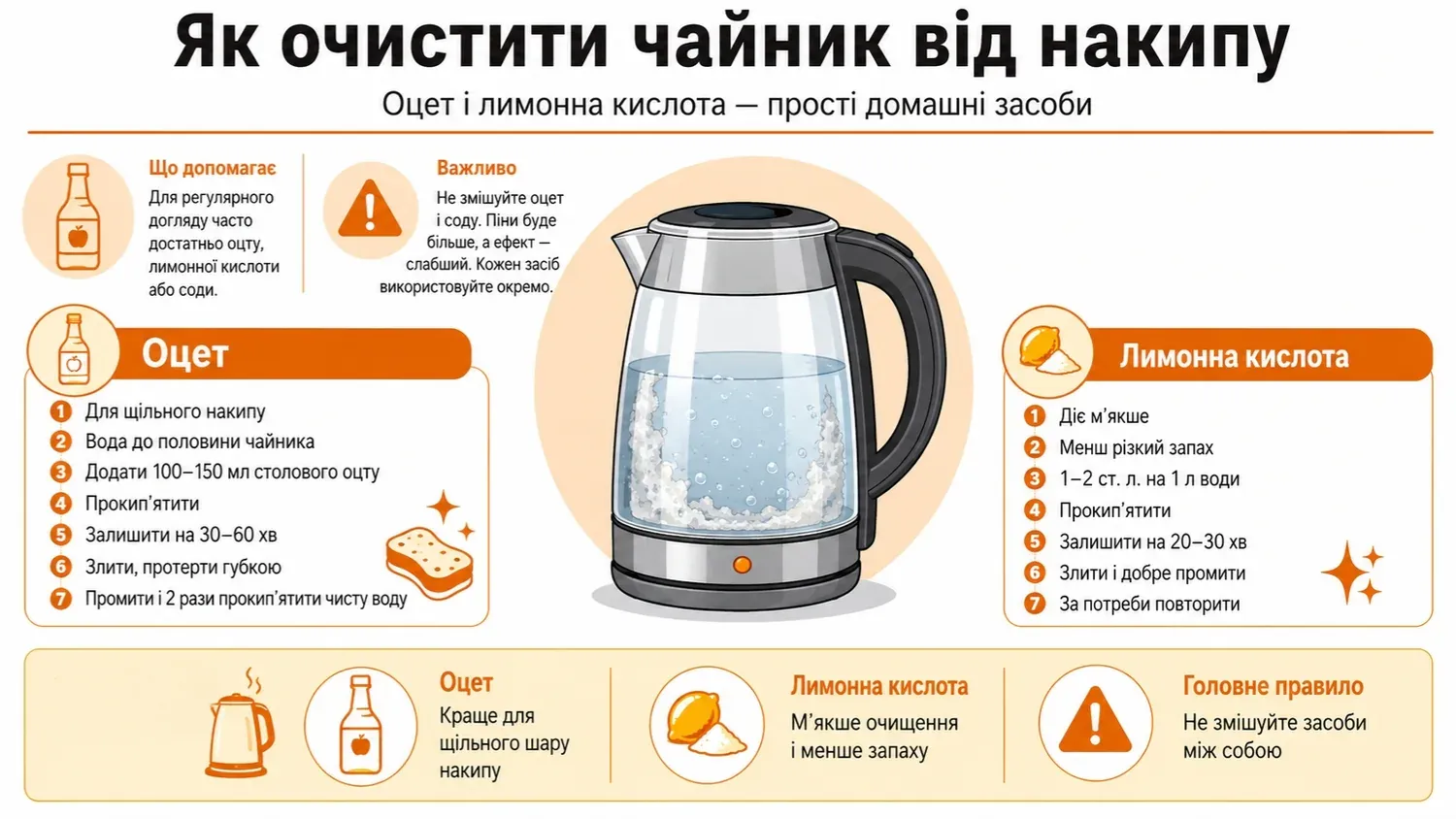
- Pour 2 cups of white vinegar and 2 cups of water into the kettle. This 1:1 ratio is strong enough to break down scale without being too harsh on the internal seals.
- Place the lid on the kettle securely and plug it into the power outlet. Ensure the base is on a dry, level surface to avoid spills during the heating phase.
- Turn the kettle on and allow the mixture to reach a full boil. Once the cycle finishes, turn the switch off and unplug the power cord from the wall outlet.
- Let the hot vinegar solution sit in the kettle for at least 30 minutes. This soaking time is necessary for the acid to penetrate the hard mineral crust on the base.
- After soaking, pour the solution out into the sink. Use a soft brush to gently scrub any remaining white spots from the bottom or the spout area.
- Rinse the inside of the kettle thoroughly with clean tap water at least three times. This removes all traces of vinegar so your next cup of tea doesn’t taste acidic.
- Fill the kettle with fresh water up to the maximum line and bring it to a boil. Discard this water to ensure the heating element is perfectly clean for use.
- Wipe the exterior with a dry cloth to remove any drips. Reinstall the filter if you removed it earlier, ensuring it clicks firmly into its original position.
Checking for a clean result
You’ll know the process worked when the interior floor of the kettle appears shiny and free of white, chalky deposits. If you still see patches of scale, the mineral buildup was likely very thick. In this case, repeat the boiling and soaking steps once more with a fresh mixture of vinegar and water.
Always check the heating element visually under a bright light after the final rinse. If the surface remains dull or rough to the touch, the minerals are still present. Never use metal tools or abrasive pads to scrape the bottom of the kettle, as these will scratch the metal and cause the scale to collect even faster in the future.
If something goes wrong
| What happened | Why | What to do |
|---|---|---|
| Vinegar smell lingers | Residue remains | Rinse with water again |
| Scale is still visible | Thick buildup | Repeat the soak cycle |
| Kettle won’t turn on | Safety switch tripped | Check the wall breaker |
| Water leaks from base | Seal failure | Contact the manufacturer |
| Spout remains clogged | Mineral blockage | Use a soft brush |
If the vinegar scent persists after two rinses, boil a fresh batch of water with a tablespoon of baking soda to neutralize the acidity.
Should you encounter thick scale that resists a second soak, use a higher concentration of vinegar, such as a 2:1 ratio of vinegar to water, for a third attempt. If the kettle fails to power on, verify the outlet first by plugging in a lamp before assuming the internal safety switch has tripped.
Many users mistakenly attempt to pry open the base when a leak occurs. This voids your warranty immediately. If the base seal is compromised, stop use entirely to prevent electrical shorts.
When clearing a clogged spout, avoid metal tools. A stiff wire can scratch the interior coating, leading to premature rust. Use only nylon bristles to protect the finish.
How often to descale the kettle

You should perform this descaling process every 1 to 3 months to keep your appliance running efficiently. The exact interval depends on two main factors: the hardness of your local water and how many times you use the kettle each day.
If you live in an area with high mineral content in your tap water, you’ll notice white flakes appearing much sooner. If your kettle takes longer than usual to reach a boil, it’s a sign that scale is insulating the heating element and you should descale immediately.
Related guides
- Stovetop Tea Kettle Long Spout Drip Free Pouring Review 2026
- Electric Percolator With Insulated Double Wall Body: Best Buy Guide 2026
- Electric Percolator With Removable Power Base Unit: Top Picks 2026
FAQs About How to Descale an Electric Kettle at Home
Can I use lemon juice instead of vinegar?
Yes, you can use lemon juice as a natural alternative to vinegar. Use a 1:1 ratio of lemon juice and water, then follow the same boiling and soaking instructions. It works well to remove light scale and leaves a fresh scent, though it may be slightly less effective than vinegar for very heavy deposits.
Is it safe to boil vinegar in my kettle?
Yes, it’s safe to boil a 50/50 vinegar and water solution in your electric kettle. Ensure the room is well-ventilated, as the boiling vinegar will produce a strong odor. Never leave the kettle unattended while the vinegar solution is boiling to prevent the liquid from bubbling over the sides.
How long should I soak the kettle?
You should soak the kettle for at least 30 minutes for standard maintenance. If the buildup is thick or you haven’t cleaned the unit in over a year, leave the solution to sit for up to an hour. Always discard the solution after the soak and rinse the unit thoroughly.
Why does my kettle have white flakes?
The white flakes are caused by calcium carbonate, which is a common mineral found in hard water. As water boils, these minerals drop out of the liquid and stick to the heating element. This is a normal process and doesn’t indicate that the kettle is broken or unsafe to use.
What happens if I don’t descale?
If you don’t descale, the mineral buildup creates an insulating layer over the heating element. This forces the kettle to work harder and stay on longer to reach the boiling point, which increases your energy use. Over time, the buildup can cause the kettle to shut off prematurely or leak.
Does it matter if I use apple cider vinegar?
No, it’s best to avoid using apple cider vinegar for this task. Apple cider vinegar contains sugars and other organic compounds that can leave a sticky residue or a lingering taste in your kettle. Stick to plain white distilled vinegar for the best results and the cleanest rinse.
Conclusion
Keeping your kettle clean ensures your morning tea or coffee always tastes fresh and pure. If you notice white flakes returning in a few weeks, don’t worry; it’s just a sign that it’s time for another quick rinse. You’ll enjoy much better results if you make this simple maintenance part of your monthly routine.
Disclosure: As an Amazon Associate, I may earn from qualifying purchases at no extra cost to you. Amazon and the Amazon logo are trademarks of Amazon.com, Inc, or its affiliates.
