
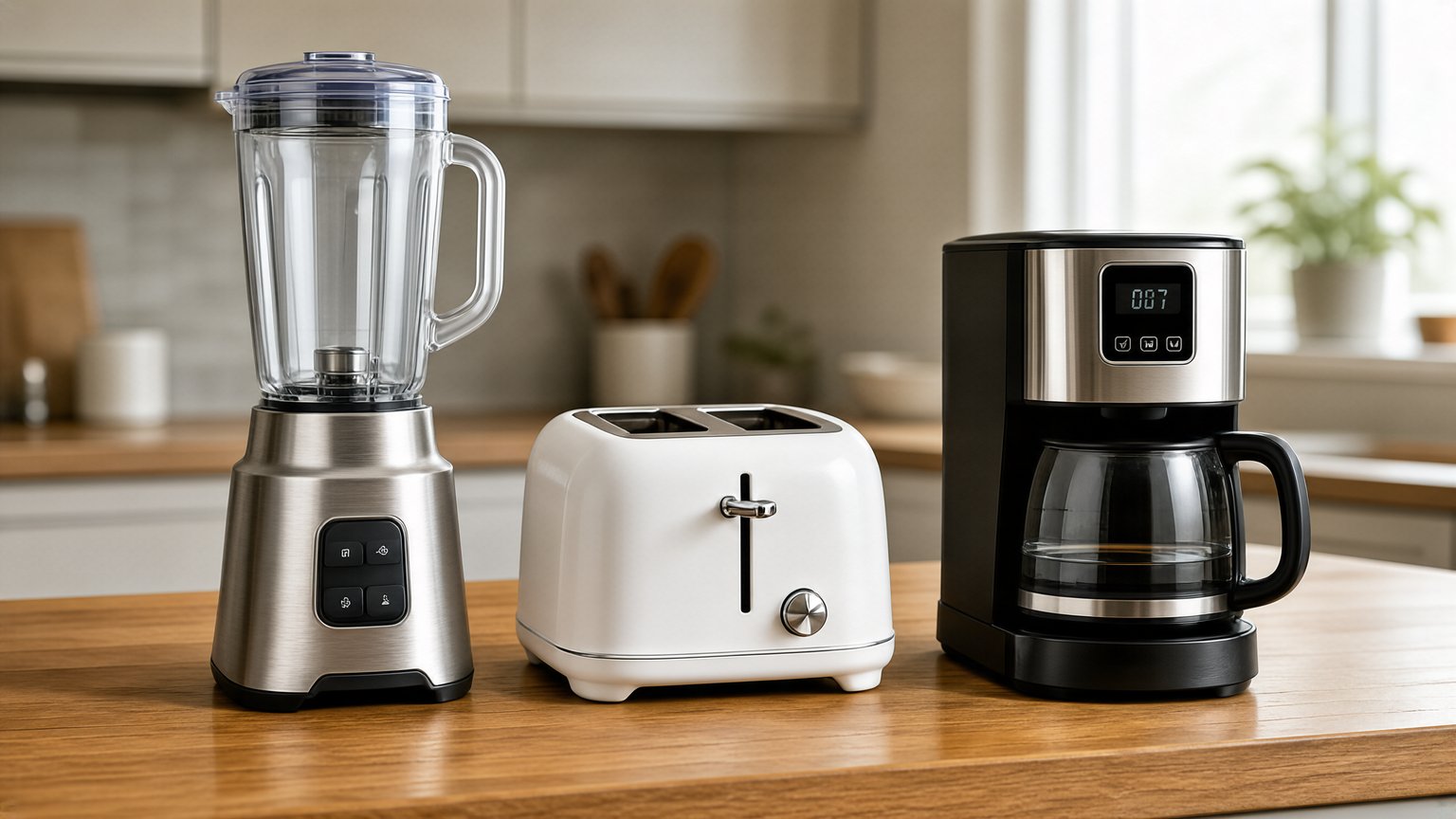
To dispose of small kitchen appliances effectively, you should first determine if the item is functional, then choose between donation, repair, or specialized electronic waste recycling. These items, ranging from blenders and toasters to coffee makers and electric kettles, contain valuable metals and hazardous materials that require responsible handling. Simply throwing them in your household trash is often prohibited by local ordinances because electronic components can leach harmful substances into landfills. By taking a few extra steps, you ensure that your old gear either finds a second life in a new home or is processed in an environmentally sound manner.
Key Takeaways
- Check if your local municipal waste department offers curbside electronic recycling or scheduled drop-off events.
- Small appliances that still work can be donated to local thrift stores, shelters, or community centers.
- Many large retailers, such as Best Buy or Home Depot, have in-store kiosks for recycling small electronics.
- Remove all food residue and clean the device thoroughly before attempting to donate or recycle it.
- Always unplug devices and bundle the cords neatly to prevent tangling during the transport or sorting process.
Methods For Disposing Small Kitchen Appliances
The best method for disposal depends heavily on the condition of your appliance. If the device still functions, donation is the most sustainable option, as it extends the product’s lifecycle. If the item is broken, you must shift your focus to material recovery.
Recycling centers are equipped to extract copper, aluminum, and steel from these items, which reduces the need for raw material mining. Always verify with your local sanitation department, as some jurisdictions have specific mandates regarding the disposal of electronic waste, which often includes small household appliances.
| Disposal Method | Best For | Potential Cost |
|---|---|---|
| Donation | Working appliances | $0 |
| Retailer Recycling | Broken electronics | $0 – $20 |
| Municipal Collection | Broken, bulky items | $0 – $15 |
| Private Scrap Yard | Metal-heavy appliances | -$5 to +$5 |
How To Prepare Items For Disposal
Before handing over your appliances, you must ensure they’re safe and ready for the next phase of their journey. Start by clearing out any leftover food particles, as these can attract pests or cause sanitation issues during collection. Wipe down the exterior with a mild cleaner to remove grease.
If the appliance has a non-removable power cord, secure it to the body of the unit using a zip tie or rubber band. If the item has a glass carafe or a loose attachment, tape it securely to the main base to prevent breakage.
Where Can You Donate Working Appliances?
If your toaster or blender is still in good working order, someone else can likely put it to use. Many charitable organizations welcome clean, functional kitchen tools. Prioritize local organizations to minimize the carbon footprint of the donation process.
- Goodwill Industries: A massive network of thrift stores that accepts most small household items.
- The Salvation Army: Often accepts kitchen appliances for their adult rehabilitation centers and thrift shops.
- Habitat for Humanity ReStore: Some locations accept small appliances, though they focus primarily on construction materials.
- Local Shelters: Women’s shelters or homeless support centers often need basic kitchen equipment for transitional housing units.
- Freecycle or Buy Nothing Groups: Community-based platforms that facilitate direct giving to neighbors.
Retailer Take-Back Programs And Options
Several national retailers operate sustainability programs that allow you to drop off old electronics for recycling. These programs are designed to keep heavy metals out of the waste stream. Before heading to a store, call ahead to confirm that they’re currently accepting your specific type of device, as space constraints often limit what they can take.
Pro Tip: Check the store’s website before you drive, as some retailers require you to purchase a new appliance to qualify for their free recycling take-back services.
What To Do With Broken Items?
When an appliance is beyond repair, it becomes e-waste. Don’t put these items in your standard recycling bin, as they can damage sorting equipment at material recovery facilities. Instead, search for a certified e-waste recycler in your area. These facilities are specifically designed to handle the complex components found in circuit boards and motors. They dismantle appliances to harvest the valuable raw materials while safely isolating toxic components like lead or flame retardants.
Can You Scrap Kitchen Appliances?
If you have several broken appliances, you might consider taking them to a local scrap metal yard. Many small appliances are made largely of steel, copper, and aluminum, which have significant commodity market value. However, scrap yards usually have a minimum weight requirement or might charge a fee to process items that are mostly plastic. Always call the yard first to ask if they accept “mixed” or “dirty” appliances, which are items that contain non-metal parts.
Troubleshooting Common Disposal Hurdles
Sometimes the disposal process hits a snag, such as when a recycling center refuses a specific type of plastic or a complex multi-material device. If you find yourself stuck, consider these alternatives to ensure the item doesn’t end up in the trash.
- Manufacturer Programs: Some high-end brands offer mail-in recycling programs for their own products.
- Repair Cafes: If the item is only slightly broken, a local volunteer repair group might be able to fix it for free.
- Community Cleanup Days: Many cities hold seasonal events where they collect “hard to recycle” items at no cost.
Safety Precautions During The Process
Handling old appliances requires common sense to avoid injury. Always ensure the device is unplugged before attempting to pack or move it. If you’re breaking down an appliance to salvage parts—which is generally not recommended unless you’re experienced—be aware of sharp metal edges and internal capacitors that can hold a dangerous electrical charge even after the unit is unplugged. Wear thick gloves and eye protection if you’re dealing with broken glass or exposed internal metal frames.
Identifying Recyclable Versus Non-Recyclable Parts
Understanding the composition of your appliance helps you determine the best disposal route. Most small kitchen appliances consist of a mix of materials.
| Component | Recyclability | Handling Tip |
|---|---|---|
| Steel/Aluminum Casing | Highly Recyclable | Strip off plastic parts |
| Copper Wiring | Highly Recyclable | Keep cords attached |
| Circuit Boards | Specialized | Use e-waste drop-offs |
| Hard Plastic | Limited | Remove before recycling |
Warning: Never attempt to disassemble an appliance that contains a sealed battery, such as a cordless hand mixer, as puncturing the battery can cause a fire or release toxic chemicals.
FAQs About How To Dispose Of Small Kitchen Appliances
Can I put old appliances in my regular recycling bin?
No, you should never place small kitchen appliances in your standard curbside recycling bin. These items are considered electronic waste and require specialized processing. Placing them in a standard bin can damage the automated sorting machinery at recycling facilities and is often illegal under local municipal codes. Always use a dedicated e-waste drop-off location or a scheduled collection service to ensure the materials are handled safely.
Are there fees for recycling small appliances?
Most municipal recycling programs offer free drop-off for small kitchen appliances as part of their environmental initiatives. However, some private recycling centers or retailers may charge a small processing fee, typically ranging from $5 to $20, depending on the volume and the complexity of the materials. It’s always best to call ahead and verify the current pricing structure before you make the trip.
What if my appliance is too damaged to donate?
If an appliance is heavily damaged or non-functional, donation isn’t an option. Instead, look for an e-waste recycler or a municipal hazardous waste facility. Many cities have specific days for collecting broken electronics. If the item is mostly metal, a local scrap metal yard may accept it for free or even pay a nominal amount based on the current market value of the raw metal.
Should I remove the power cord before recycling?
Generally, you should leave the power cord attached to the appliance when dropping it off for recycling. The cord contains copper, which is a valuable material that recyclers want to recover. Removing the cord often makes it more difficult for the facility to process the item as a whole unit. If you’re taking the item to a scrap yard, they may ask you to cut the cord, but check their policy first.
Does the brand of the appliance affect disposal?
The brand of your appliance typically doesn’t affect your ability to recycle it, as most recyclers look at the material composition rather than the manufacturer. However, some premium brands offer dedicated recycling or trade-in programs for their own products. Checking the manufacturer’s website can sometimes provide you with a pre-paid shipping label or a list of authorized recycling partners specifically for that brand’s equipment.
Conclusion
To finalize your disposal process, take a moment to search for your town’s official waste management website to find the nearest certified electronics collection site. Once you have identified the location, clear a space in your vehicle, gather your cords, and transport the items during their designated business hours. Responsible disposal today prevents environmental contamination and supports the circular economy for future generations.
Disclosure: As an Amazon Associate, I may earn from qualifying purchases at no extra cost to you. Amazon and the Amazon logo are trademarks of Amazon.com, Inc, or its affiliates.
