
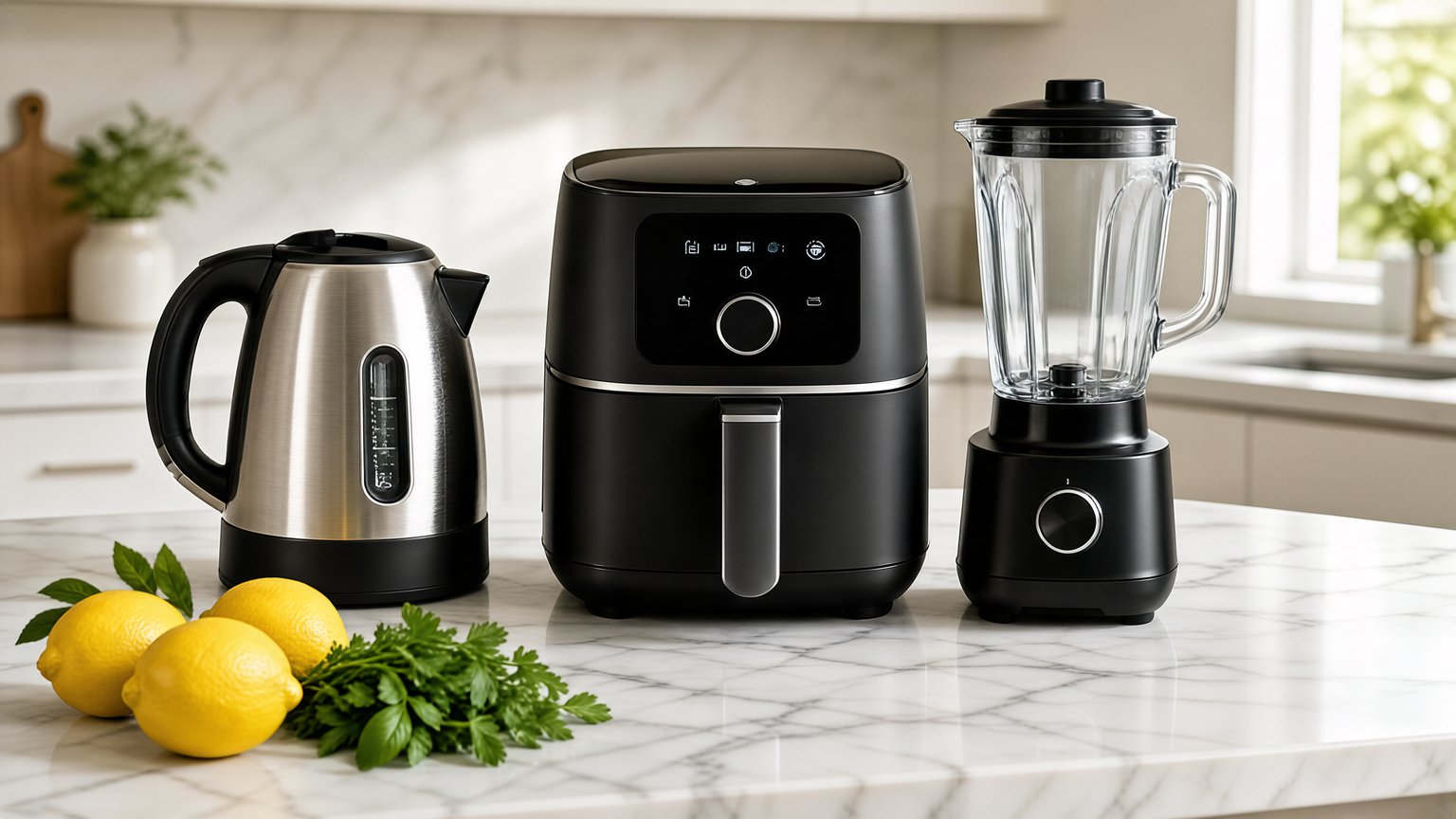
Small kitchen appliances are portable or semi-portable electrical machines designed for specific culinary tasks, ranging from food preparation and cooking to beverage creation and cleaning. These devices, which typically occupy countertop space or store easily in cabinets, are essential for modern home efficiency. Whether you’re looking for a basic toaster or a high-end stand mixer, the price for a single unit usually ranges from $20 to $600, depending on brand reputation, material quality, and the complexity of its internal mechanics.
Key Takeaways
- Prioritize appliances based on how often you cook specific meals rather than buying gadgets for occasional use.
- Check the wattage of your outlets before plugging in multiple high-power devices like air fryers or electric kettles.
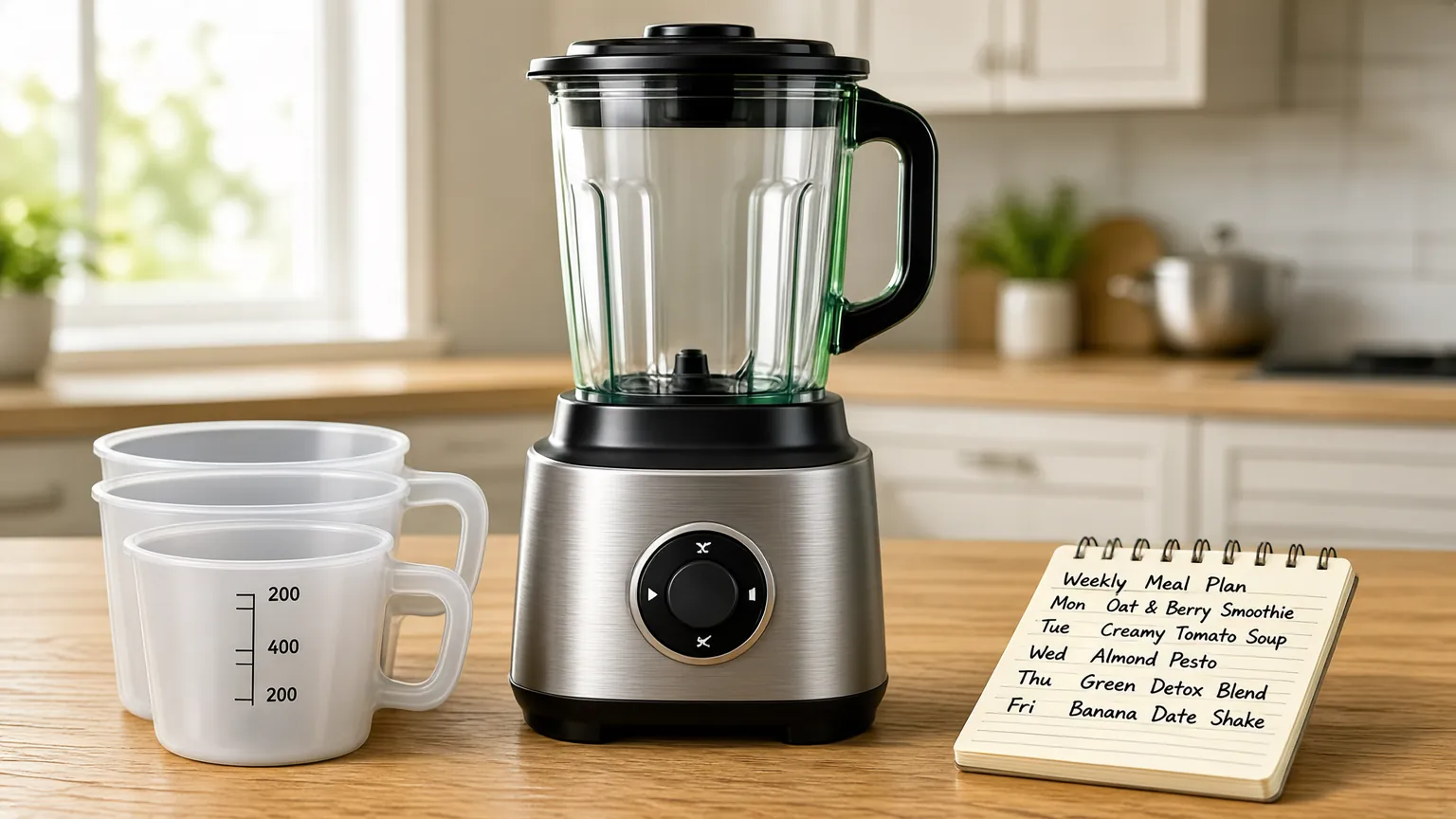
- Prioritize countertop space by choosing multi-functional appliances like a blender-food processor combo.
- Always register your new kitchen appliances with the manufacturer to receive important safety recalls or warranty updates.
- Maintain the longevity of your machines by cleaning removable parts immediately after use to prevent food buildup.
What Are Small Kitchen Appliances?
Small kitchen appliances are specialized tools that perform specific functions to automate or accelerate food preparation. Unlike major appliances such as refrigerators or ranges, these units are designed to be moved, stored, and operated on a flat surface. They generally run on standard household electrical currents and are categorized by their primary function: preparation, thermal cooking, or beverage creation. Common examples include blenders, coffee makers, toasters, and food processors.
Essential Preparation Tools
Preparation appliances are designed to reduce the manual labor required for chopping, mixing, or grinding ingredients. These tools are the backbone of a functional kitchen, allowing you to prep complex recipes in minutes.
- Stand Mixers: Used for heavy-duty baking tasks like kneading bread dough or whipping large volumes of meringue. Brands like KitchenAid and Cuisinart dominate this space.
- Food Processors: Ideal for slicing, dicing, grating, and pureeing vegetables or nuts. These are indispensable for making pestos, doughs, and salsas.
- Immersion Blenders: Handheld devices that allow you to blend soups or sauces directly in the pot, saving you the hassle of transferring hot liquids to a traditional blender.
- Electric Hand Mixers: Compact, lightweight tools for smaller mixing tasks that don’t require the power of a full-sized stand mixer.
Thermal Cooking Appliances
These machines use electricity to generate heat for cooking, baking, or reheating food. They’re often chosen for their ability to cook food faster than a conventional oven or for their convenience in small living spaces.
| Appliance | Best For | Energy Efficiency |
|---|---|---|
| Air Fryer | Crisping, roasting, reheating | High |
| Toaster Oven | Toasting, baking small batches | Medium |
| Slow Cooker | Braising, stews, long roasts | High |
| Rice Cooker | Steaming grains, legumes | Medium |
Pro Tip: When using an air fryer, ensure you don’t overcrowd the basket, as air circulation is essential to achieve a crispy texture rather than a steamed one.
Beverage Creation Machines
Beverage appliances have evolved significantly, moving from simple drip machines to complex systems that replicate cafe-style drinks at home. Investing in these machines can lead to significant long-term savings compared to daily trips to a coffee shop.
- Drip Coffee Makers: The standard for quick, high-volume brewing for households that consume coffee throughout the morning.
- Espresso Machines: High-pressure systems that force water through finely ground coffee to create concentrated shots.
- Electric Kettles: Essential for tea drinkers, these offer precise temperature control to avoid scalding delicate leaves.
- Juicers: Centrifugal or masticating machines designed to extract liquid from fresh fruits and vegetables.
How to Organize Your Countertop
Managing limited kitchen space is a common challenge for home cooks. To maximize efficiency, categorize your appliances by usage frequency. Frequently used items like coffee makers and toasters should stay on the counter, while seasonal tools like waffle irons or blenders used only on weekends should be stored in accessible cabinets. Using vertical shelving or appliance garages can keep your workspace clear while maintaining easy access to your most essential tools.
Maintenance and Safety Tips
Proper maintenance ensures your appliances perform safely and effectively for years. Always unplug your devices before cleaning, and never submerge the base or motor housing in water.
- Descaling: Periodically run a solution of water and vinegar through coffee makers and kettles to remove mineral deposits.
- Blade Care: Hand-wash blender and food processor blades rather than using a dishwasher, as high heat and harsh detergents can dull the edges.
- Cord Safety: Keep cords away from hot surfaces and ensure they aren’t frayed. If you notice a damaged cord, stop using the device immediately.
Warning: Never attempt to repair an internal electrical component of an appliance yourself unless you have specific training; this poses a significant risk of electric shock or fire.
Are Multi-Functional Appliances Worth It?
Many modern consumers prefer “all-in-one” devices that combine the functions of several machines into one footprint. For example, a multi-cooker can act as a pressure cooker, slow cooker, rice cooker, and yogurt maker. While these save space, consider whether you’ll actually use every feature. If you rarely make yogurt, a simpler unit might be more reliable and easier to clean.
Comparing Entry-Level vs Professional Models
When deciding between a budget model and a professional-grade appliance, consider your culinary goals. Entry-level models are perfect for occasional use, while professional versions offer durability, higher wattage, and more precise controls.
| Feature | Entry-Level | Professional |
|---|---|---|
| Construction | Plastic components | Die-cast metal |
| Power Output | Lower wattage | High-torque motor |
| Warranty | 1-year limited | 3-5 year comprehensive |
| Price Range | $20 – $80 | $150 – $600 |
Troubleshooting Common Issues
If your appliance stops working, perform a quick check before seeking professional repairs. Often, the issue is minor and easily resolved.
- No Power: Check the circuit breaker in your home to ensure the outlet is functional. Try plugging another device into the same outlet to confirm.
- Unusual Noise: This often indicates an obstruction in the blades or motor. Unplug the device and inspect for food debris or loose parts.
- Uneven Cooking: In toaster ovens or air fryers, this is usually caused by poor airflow or a malfunctioning heating element. Check that the vents aren’t blocked by debris.
FAQs Of What Are Small Kitchen Appliances And Their Uses
Do I need to clean my appliances after every use?
Yes, cleaning after every use is vital to prevent bacterial growth and food buildup. For dry appliances like toasters, shake out crumbs weekly. For wet appliances like blenders or coffee makers, rinse removable parts immediately. Leaving food residue can damage seals and lead to unpleasant odors that are difficult to remove later, potentially affecting the taste of your future meals.
How can I tell if an appliance is energy efficient?
Look for the energy rating or wattage usage printed on the bottom of the device. Appliances with lower wattage generally consume less electricity during operation. Additionally, prioritize devices that cook food quickly, such as pressure cookers, as shorter cooking times typically result in lower overall energy consumption during the meal preparation process.
Is it safe to leave small appliances plugged in?
While most small appliances are designed to be safe, it’s best practice to unplug them when not in use, especially those with heating elements like toasters or kettles. This prevents accidental activation and protects the internal electronics from power surges. Always unplug devices that don’t have an automatic shut-off feature after the cycle completes.
What should I look for when buying a new blender?
Focus on the motor power, measured in watts, and the material of the pitcher. For smoothies and ice, look for a motor with at least 500 watts. Glass pitchers are more durable and resistant to staining, while BPA-free plastic is lighter and less prone to shattering. Consider the noise level if you plan to use it early in the morning.
How do I know when to replace a small appliance?
Replace an appliance if the cord is frayed, the motor smells like burning plastic, or the casing shows signs of melting. If a replacement part, like a blade or seal, is no longer available from the manufacturer, it’s often time to upgrade. Never attempt to use an appliance that has visible damage to its electrical components or housing.
Conclusion
Investing in high-quality small kitchen appliances can transform your daily routine, turning complex food preparation into a streamlined and enjoyable experience. By selecting versatile tools that fit your specific cooking habits and maintaining them with regular care, you’ll ensure your kitchen remains a productive hub for years. Start by auditing your current tools and identifying one gap that, if filled, would make your most frequent meal-prep task significantly easier.
Disclosure: As an Amazon Associate, I may earn from qualifying purchases at no extra cost to you. Amazon and the Amazon logo are trademarks of Amazon.com, Inc, or its affiliates.
