
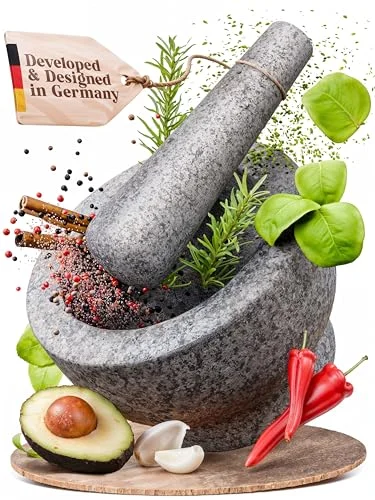
Hunting for the right tabletop mortar and pestle often feels like a guessing game. Many shoppers end up disappointed by porous stone that traps old odors or bowl capacities that are just too small for a simple batch of pesto. Getting it right really comes down to balancing how much physical effort you want to exert against the specific texture of your ingredients.
I find the best way to cut through the marketing noise is to look at your actual kitchen routine. I prefer to strip away the fluff and focus on the mechanics of the grind, how the weight of the mortar interacts with your counter and how the interior surface impacts your final result. This approach helps you pick a tool that actually makes your daily prep easier.
Products in this guide
These are the Amazon listings we anchor to when we talk about tabletop mortar and pestle for seasoning in the rest of this guide. Each card pairs a thumbnail with a short editor read on what stands out in the listing, materials, stated use case, or patterns we see in buyer feedback. They are not a substitute for your own due diligence: follow the link to verify fit, compatibility, today’s price, and the most recent verified reviews before you buy.
 ChefSofi Mortar and Pestle Set (Gray, 1.5-Cups) A classic, unpolished granite set that handles small-batch grinding with a traditional, tactile feel. 8.2/10 |  HIC Kitchen Mortar and Pestle Set, Solid Carrara Marble, 3.8-Inch, Spice A sleek Carrara marble set that blends elegant aesthetics with a compact, efficient grinding surface. 7.8/10 | ChefSofi Mortar and Pestle Set (Gray, 2-Cups) A slightly roomier granite model that offers more capacity for frequent cooks who need extra space. 8.4/10 |
 PriorityChef Granite Mortar and Pestle Set – 6.1 Inch Natural Stone Molc A heavy-duty granite molcajete that brings a traditional, rugged feel to your kitchen prep. 8.7/10 |  Tera 18/8 Stainless Steel Mortar and Pestle with Brush,Pill Crusher,Spic A hygienic, stainless steel option with a lid that keeps your spice prep clean and mess-free. 7.5/10 |  PriorityChef 1.5 Cup Mortar and Pestle Set, 100% Natural Granite, 5.1 In A thoughtful granite set that includes pads to protect your countertops from scratches. 8.5/10 |
 Bekith Mortar and Pestle Sets 18/8 Brushed Stainless Steel Spice Grinder A hygienic stainless steel grinder that is ideal for medical use or keeping your spices separate and pure. 7.3/10 | 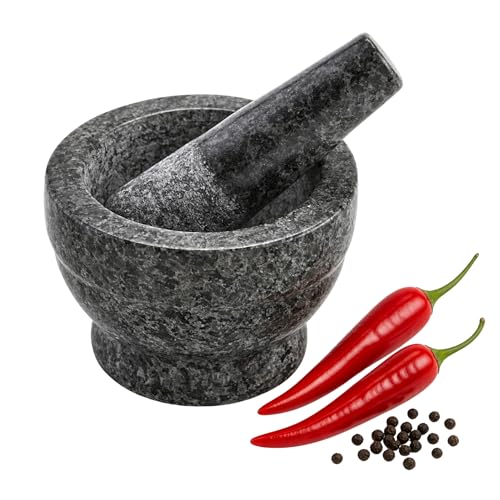 IMUSA USA Small Polished Mortar and Pestle, 3.75”, Granite A compact, polished granite set that fits easily into small kitchens without sacrificing performance. 7.6/10 |  Samhita Acacia Wood Mortar and Pestle for Garlic Pepper Herb Crusher Kit An organic acacia wood set that offers a gentle grinding experience with a warm, natural look. 6.8/10 |
 Kota Japan Large Black Granite Mortar & Pestle Natural Stone Grinder for A massive, professional-grade granite mortar for those who want serious, heavy-duty grinding power. 9.2/10 |
How we judged each pick
These notes mirror how we evaluate listings for this guide: practical fit, credible specs, and what buyers report back, not lab claims we cannot verify.
|
I think this unpolished granite set is a great entry point for anyone wanting to get into manual grinding. The 1.5-cup size works well for small spice blends without taking up too much room on your counter. Because the granite is left unpolished, it provides excellent natural friction, which makes quick work of garlic or ginger. It feels sturdy and stays put, avoiding the sliding issues I have seen with lighter tools. |
|
If your kitchen decor is just as important as the tool itself, this marble set is a sharp choice. It is on the smaller side at 3.8 inches, so it is better suited for quick seasoning tasks or crushing small items like pills rather than large batches of guacamole. I like that the interior is textured to help with fine pastes, and the solid stone construction keeps it anchored nicely while you work. |
|
I would lean toward this 2-cup version if the 1.5-cup models feel a bit too cramped for your style. Having that extra bit of room makes a big difference when you are whipping up a fresh batch of salsa or a larger pesto. It retains the same unpolished granite texture that provides the grip you need, and its solid weight keeps it firmly planted on the counter, even when you are really putting some muscle into the grind. |
|
This PriorityChef set feels like a real workhorse. With its 6.1-inch diameter and 2-cup capacity, it is my pick for someone who actually cooks with fresh ingredients and needs space to move. The granite is carved to provide a perfect, rough texture for releasing oils, and the heavy pestle feels substantial. It is a solid, no-nonsense tool for anyone who wants to bring a bit of traditional grinding to their tabletop. |
|
I find this stainless steel set to be a smart alternative to traditional stone, especially if you are tired of lingering odors. The 18/8 steel is totally non-porous and handles acidic ingredients like citrus without a hitch. I really appreciate the inclusion of a lid, which keeps your spices from flying out while you grind. It is compact, easy to clean, and the non-slip base keeps it stable enough for everyday use. |
|
I am a big fan of the little extras here, specifically the non-slip protectors included with this set. It is a simple touch that saves your counters from the harshness of heavy granite. The 1.5-cup capacity is right in the sweet spot for daily spice grinding, and at 5 pounds, it has plenty of heft to stay stable. The unpolished finish gives it the necessary grit to get the job done effectively. |
|
If you are worried about hygiene or cross-contamination, this Bekith set is a great move. The brushed steel doesn’t hold onto smells, which is perfect if you are switching between medicinal herbs or different types of spices. The clear lid is a highlight for me, it keeps the workspace tidy, and the base is designed to keep the unit from sliding around, even if it does not have the weight of a stone mortar. |
|
For those with limited counter space, this IMUSA set is a solid, space-saving choice. Even though it is quite small at 3.75 inches, the granite interior still provides enough friction for effective crushing. I like that the exterior is polished for a cleaner look, while the inside stays rough enough to handle your aromatics. The pestle is comfortable to hold, making it easy to use for quick seasoning tasks. |
|
If you want something that looks less like a laboratory tool and more like kitchen decor, this wood set is beautiful. It is best suited for lighter mashing tasks like garlic or soft herbs. Keep in mind that wood is a bit more high-maintenance, it needs to be oiled and kept away from the sink, but for the right cook, that natural aesthetic is well worth the extra care. |
|
This Kota Japan set is for the serious cook who wants to get it done right. At 8 lbs, it is incredibly stable and isn’t going anywhere while you grind. The 2-cup capacity is generous, and the rustic, unpolished granite is perfect for getting the most out of your spices. It feels like a lifetime piece of kitchen equipment that can handle whatever you throw at it. |
List of Tabletop Mortar And Pestle For Seasoning
It is easy to assume all stone grinders work the same, but the distinction between polished and unpolished granite is huge. I see many people struggle with bowls that slide around because they are too light, or stones that are too smooth to actually crush fibrous herbs. Getting the weight and surface texture right is the difference between a tool you love and one that gathers dust.
My advice is to start with your ingredients. If you are pulverizing tough, fibrous herbs, you need that gritty, unpolished surface. If you are grinding pills or cleaning up after messy sauces, non-porous materials are much more forgiving. I prefer to walk through these functional needs before even worrying about how the set looks on your counter.
The Selection Logic
I look at these tools based on how they handle force and maintain their integrity over time. My focus is on the interplay between weight, surface texture, and material. I tend to ignore marketing fluff and look strictly at how these sets will perform on your specific kitchen counter.
01 Identify the Real Need Identify your primary ingredient. Fibrous herbs need the friction of rough stone, while pills or delicate aromatics may be better served by non-porous stainless steel. | 02 Match the Product Type We evaluate the differences between granite, marble, stainless steel, and wood. You must choose a material that balances your need for durability against your preference for low-maintenance cleaning routines. |
03 Check the Tradeoff Don’t underestimate the role of weight. If you are doing serious pounding, you need a heavy base to prevent the tool from walking across your counter. | 04 Choose by Real Use Match the capacity to your typical batch size. A tiny bowl is frustrating for guacamole, while a massive one is just dead weight for a pinch of black pepper. |
Material Porosity and Flavor Retention
The material of your mortar dictates how it interacts with volatile oils. Porous stone, like unpolished granite, excels at grinding because it creates friction. However, it can absorb strong flavors like garlic or chili over time. This makes it ideal for dedicated spice grinding but potentially problematic if you switch between savory pastes and delicate herbal blends.
Conversely, non-porous materials like stainless steel do not hold odors. They provide a neutral surface that rinses clean instantly. While they lack the natural grip of stone, they are superior for multi-purpose use where cross-contamination of strong flavors is a concern. You must decide if seasoning purity matters more than the traditional grinding experience.
For the best results, analyze your typical recipe list. If you frequently make pungent salsas or garlic-heavy pestos, consider the trade-offs of natural stone. If you prefer a tool that stays neutral for various uses, metal or polished options offer a cleaner, more versatile solution for your kitchen.
| ChefSofi Mortar and Pestle Set (Gray, 1.5-Cups) A classic, unpolished granite set that handles small-batch grinding with a traditional, tactile feel. | 8.2/10 Check Price Amazon |
| Tera 18/8 Stainless Steel Mortar and Pestle with Brush,Pill Crusher,Spice Grinder,Herb Bowl,Pest A hygienic, stainless steel option with a lid that keeps your spice prep clean and mess-free. | 7.5/10 Check Price Amazon |
How Products Differ Here
- →ChefSofi Mortar and Pestle Set (Gray, 1.5-Cups): ChefSofi 1.5-Cups uses unpolished granite to maximize friction for traditional, flavor-releasing grinds.
- →Tera 18/8 Stainless Steel Mortar and Pestle with Brush,Pill Crusher,Spice Grinder,Herb Bowl,Pesto Po: Tera Stainless Steel provides a non-porous surface that prevents odor retention across different ingredients.
The ChefSofi 1.5-Cups uses unpolished granite to maximize friction for optimal spice release. In contrast, the Tera Stainless Steel set avoids odor absorption entirely. The choice depends on whether you value the traditional grinding texture of granite or the clinical cleanliness of stainless steel for your seasoning tasks.
Stability and Total Weight
Grinding requires significant downward force. If your mortar is too light, it will dance across the counter during use. This creates a safety hazard and adds unnecessary physical strain to your wrists. A heavy, solid base is the most important feature for anyone doing serious, frequent grinding.
Granite sets are naturally heavy, often weighing several pounds, which provides inherent stability. Some models include non-slip pads to protect surfaces, but the weight itself is the primary anchor. Smaller, lighter stone or wood models may look elegant but often fail to stay put during vigorous pounding.
When shopping, check the product weight and base diameter. A wider, heavier base will always outperform a slender, lightweight one. Prioritize stability over design if you plan to crush nuts, seeds, or tough root vegetables regularly, as these require more force than soft herbs.
| Kota Japan Large Black Granite Mortar & Pestle Natural Stone Grinder for Spices, Seasonings, Pas A massive, professional-grade granite mortar for those who want serious, heavy-duty grinding power. | 9.2/10 Check Price Amazon |
| IMUSA USA Small Polished Mortar and Pestle, 3.75”, Granite A compact, polished granite set that fits easily into small kitchens without sacrificing performance. | 7.6/10 Check Price Amazon |
How Products Differ Here
- →Kota Japan Large Black Granite Mortar & Pestle Natural Stone Grinder for Spices, Seasonings, Pastes,: Kota Japan provides an 8 lb solid stone base that resists slipping through sheer weight.
- →IMUSA USA Small Polished Mortar and Pestle, 3.75”, Granite: Bekith Stainless Steel relies on a non-skid base pad to maintain stability because the metal is lighter.
The Kota Japan 8 lb granite set offers superior stability for heavy-duty crushing due to its mass. Meanwhile, the Bekith Stainless Steel set uses a non-skid base pad to compensate for its lighter material. Your choice should reflect the intensity of the force you typically apply during grinding.
What Buyers Often Misread
I see a lot of people fall for the ‘versatility’ trap, thinking a small, cute bowl will do it all. The reality is, if you try to make a big batch of pesto in a tiny spice grinder, you are just going to end up with a mess on your counter.
Another common mistake is choosing polished stone for the looks. It might be pretty, but the lack of friction means you have to work twice as hard to get the same result. You want that rough, unpolished surface for actual grinding.
| Claim that all stone sets are equally effective for pastes. Only rough, unpolished interiors provide the necessary friction to turn herbs into smooth pastes efficiently. |
| Assumption that bigger is always better. A massive bowl is cumbersome for small amounts of spices; match the capacity to your typical batch size. |
| Belief that dishwasher safe labels are essential. Most granite and wood sets require hand washing to prevent damage or material degradation over time. |
| Focusing only on the exterior aesthetic. The interior texture and the weight of the pestle head determine the actual performance of the tool. |
How To Make the Final Choice
At the end of the day, your best choice depends on what you are actually doing in the kitchen. If you are serious about spice grinding, go for the unpolished granite. If you want something versatile and easy to clean, stainless steel is the way to go. Just make sure you get the right size and weight for your needs.
, The Kota Japan 8 lb granite set offers the mass and texture required for professional-grade spice crushing.
, The Tera Stainless Steel set provides a rustproof, non-porous surface that is perfect for switching between spices and medicine.
, The ChefSofi 2-Cup set provides enough capacity for small batches of pesto or guacamole without constant refilling.
FAQs About Tabletop Mortar And Pestle For Seasoning
Do I need to season my granite mortar?
Yes, unpolished granite often requires a seasoning process with rice or spices to remove stone dust and seal the surface.
Can I use a mortar for medical pills?
Yes, but use a stainless steel or polished stone set to ensure you can easily clean out all medicinal residue.
Is wood a good material for a mortar?
Wood is excellent for dry spices but can absorb moisture and oils, making it harder to clean than stone or metal.
How do I clean a granite mortar?
Rinse with warm water and a stiff brush. Avoid soap, as porous stone can absorb the scent of the detergent.
What is the benefit of a lid?
A lid, such as the one on the Bekith set, prevents herbs and spices from flying out during vigorous pounding.
Disclosure: As an Amazon Associate, I may earn from qualifying purchases at no extra cost to you. Amazon and the Amazon logo are trademarks of Amazon.com, Inc, or its affiliates.
