
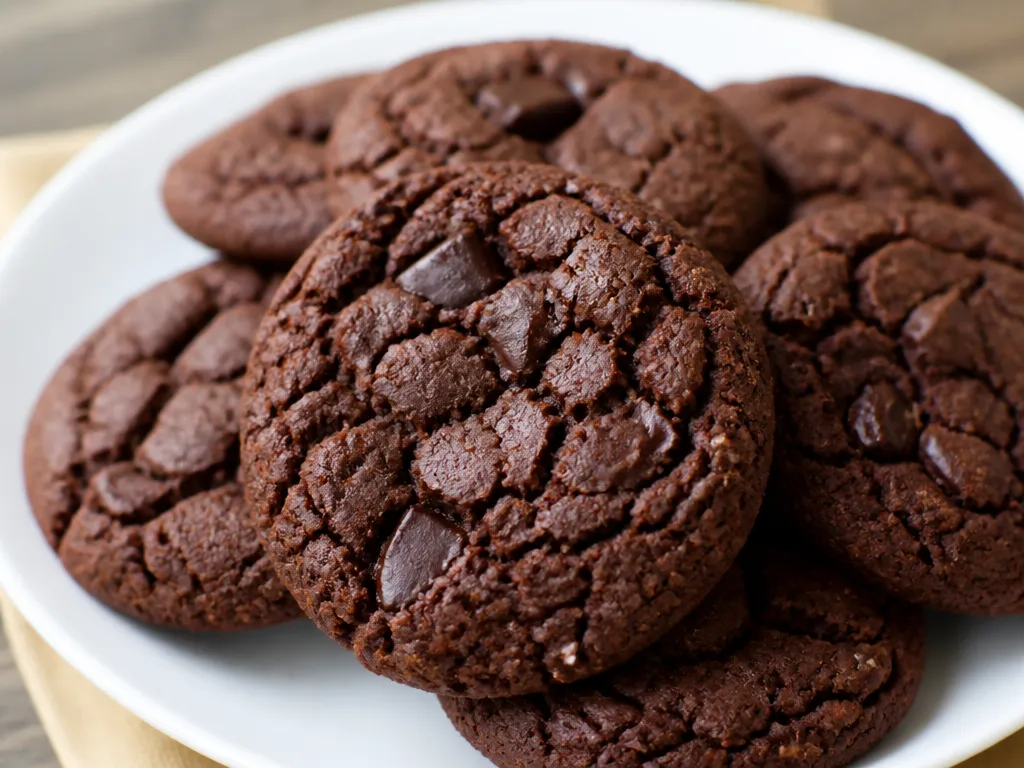
Chocolate cookies usually taste bitter for one of three reasons: the cocoa is naturally harsh or out of balance, the butter, sugar, or chocolate has scorched, or the cookies baked too long at too high a temperature. Too little sugar, fat, or moisture can make the same bitterness taste sharper and more astringent.
The fix is usually practical. Check the cocoa type, confirm your oven temperature, avoid browning ingredients that should only be melted, and pull the cookies when the edges are set but the centers still look slightly underdone. A modest amount of salt and enough fat can also soften harsh cocoa flavors.
Key Takeaways
- Burned ingredients create bitterness. Over-browned butter, sugar, or chocolate can taste bitter even when the cookies look almost done.
- A hot oven accelerates browning. Cookies can develop harsh edges before the centers finish setting.
- Cocoa type affects flavor. Natural unsweetened cocoa is often more bitter and tangy than Dutch-process cocoa.
- Sugar balances cocoa. Too little sugar allows cocoa’s bitterness and astringency to dominate.
- Fat and salt soften harshness. Adequate fat and a modest amount of salt make cocoa taste rounder.
- The bake window is narrow. Remove cookies when the edges are set and the centers still look slightly soft.
Why Chocolate Cookies Taste Bitter
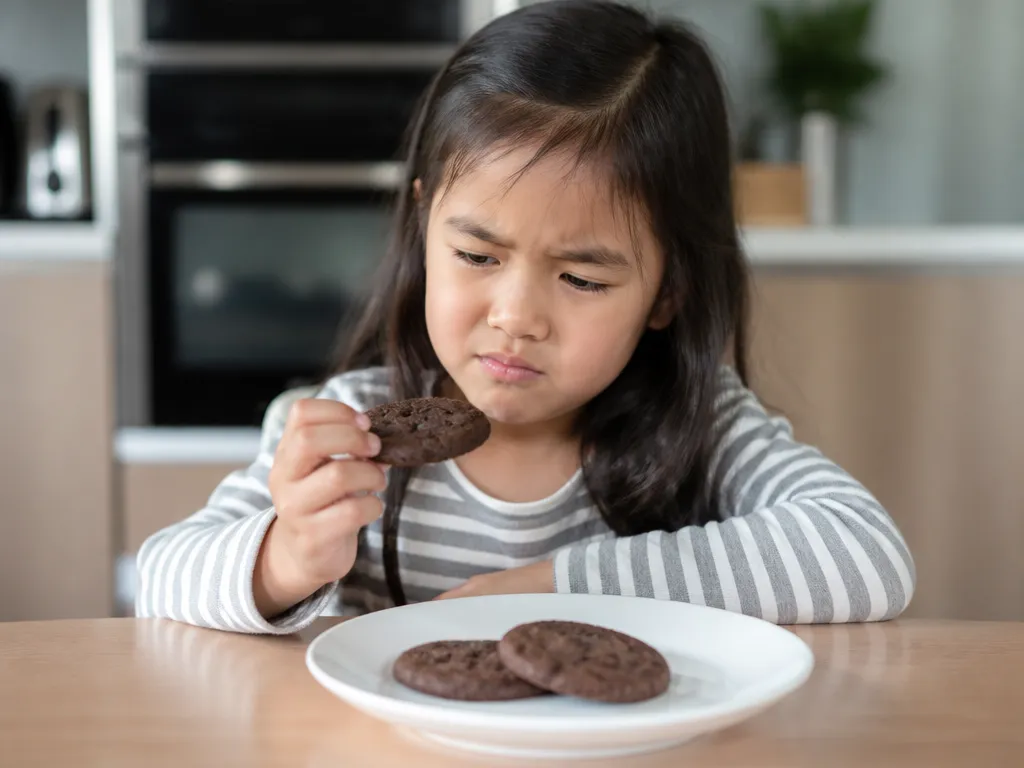
Bitter chocolate cookies usually contain cocoa compounds that are too concentrated, overheated, or both. Unsweetened cocoa has a naturally bitter flavor, especially when a recipe uses a large amount without enough sugar and fat to balance it. Baking can push that flavor toward burnt cocoa if the ingredients or dough get too hot.
The bitterness generally comes from two broad sources:
- The cocoa is inherently harsh or poorly balanced. Natural cocoa often tastes more bitter and tangy than Dutch-process cocoa. Using the wrong type, reducing the sugar accidentally, or adding too much cocoa can make the flavor dominate.
- The ingredients or dough overheated. Butter and sugar can scorch during melting or mixing, while a hot oven or long bake can over-brown the cookie and drive out too much moisture.
A dry cookie often tastes more bitter than a softer one because the cocoa flavor becomes more concentrated as moisture leaves.
Helpful pick
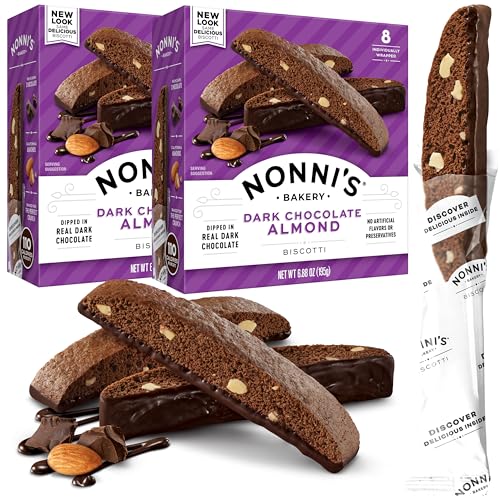
Nonni’s Dark Chocolate Almond Biscotti Italian Cookies – 2 Boxes Dark Chocolate Cookies – Biscotti Individually Wrapped Cookies – Italian Biscotti Cookies w/Bittersweet Chocolate & Almonds – 6.88 oz
These biscotti feature bittersweet chocolate and almonds, offering a balanced take on cocoa bitterness.
The Main Causes of Bitter Chocolate Cookies
Cocoa bitterness becomes more noticeable when the recipe’s sugar, fat, and moisture are out of balance. A strong natural cocoa can overwhelm a recipe with too little sugar, or an ingredient swap can change the flavor even when the cookies look correct. Using unsweetened cocoa powder in a recipe designed for Dutch-process cocoa is one example.
Heat amplifies the problem. Butter that simmers instead of simply melting can develop a nutty or burnt flavor. Sugar can darken and scorch, and chocolate mixed into very hot ingredients can pick up harsh notes. A hot oven or an extended bake then intensifies those flavors.
Salt, fat, and moisture also affect how bitterness tastes. Too little salt can leave cocoa tasting flat and astringent. Too little fat or moisture can make the flavor sharper, drier, and more persistent.

Helpful pick
Rip Van Dark Chocolate Wafer Cookies – Healthy Snacks – Non GMO, Keto, Low Carb, Low Sugar (2g), Low Calorie and Vegan, 16 Count
Low-sugar dark chocolate wafer cookies provide a balanced cocoa flavor without overwhelming bitterness.
How to Fix Bitter Chocolate Cookies
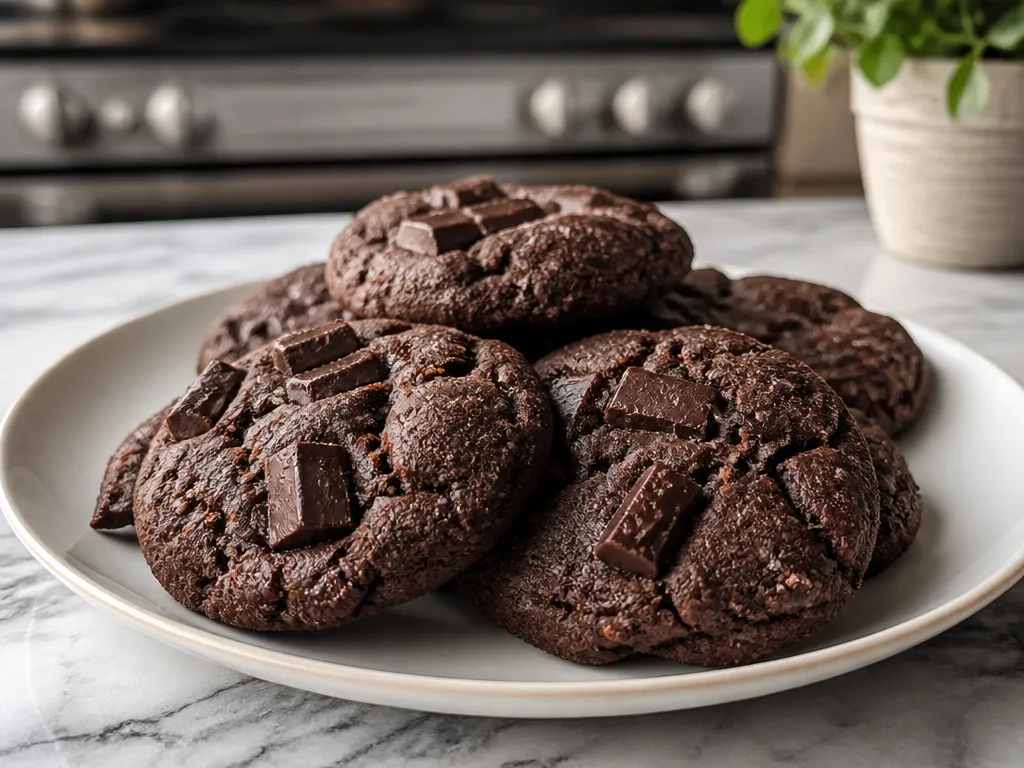
Change one variable at a time and bake a small test batch. That approach makes it easier to identify whether the cocoa, mixing process, or oven caused the problem.
1. Check Whether You Used Natural or Dutch-Process Cocoa
Natural cocoa powder tends to taste more bitter and tangy. Dutch-process cocoa is usually smoother and less sharp. If the recipe calls for one type and you use the other, that substitution alone can turn a rounded chocolate flavor into a bitter one.
For the next batch, use the cocoa type listed in the recipe. If the cookies taste too sharp with natural cocoa, try Dutch-process cocoa while keeping the rest of the recipe the same. You can also reduce the amount of natural cocoa and adjust the sugar according to the recipe’s intended balance, rather than adding more chocolate at random.
2. Melt Butter and Sugar Without Browning Them
When a recipe says to melt butter or mix ingredients, it usually does not mean to brown them. Aggressive foaming, a nutty or burnt smell, or caramel-colored sugar indicates that the ingredients have moved into deeper browning. Those flavors can taste bitter in a cookie.
Mixing time matters as well. Over-whisking warm ingredients can intensify Maillard and caramel flavors, which may become harsh when the dough enters a hot oven. Melt gently, stop before the butter changes color or smell, and let very hot ingredients cool before combining them with chocolate or other dough ingredients.
3. Shorten the Bake and Pull the Cookies Earlier
Many bitter cookies simply stayed in the oven too long. The edges may look finished while the centers have already lost too much moisture, making the cocoa taste more intense and dry.
Remove the cookies when the edges are set but the centers still look slightly soft. Leave them on the baking tray for a few minutes so carryover heat can finish setting them, then transfer them to a rack. As they cool, moisture redistributes through the cookie, which can make the cocoa taste less sharp.
4. Check the Oven Temperature
An oven that runs hot can over-bake cookies before the recipe’s stated time has passed. Look for darker color than usual, thick or crusty edges, and a bitter or burnt aftertaste.
Use an oven thermometer if possible. If the oven consistently runs hot, reduce the temperature by 10-25°F and watch the cookies closely. Keep the other ingredients and steps unchanged during the test so you can tell whether the temperature caused the bitterness.
5. Balance the Cocoa With Sugar and Salt
A cookie can taste bitter even when it is not overbaked if the sugar-to-cocoa ratio is too low. A small increase in sugar can soften cocoa’s harshness, while a modest amount of salt can round out the flavor.
Do not change both ingredients at once if you are trying to diagnose the recipe. Adjust one variable, bake a small test batch, and make another change only if the bitterness remains.
6. Use Fresh Cocoa and Chocolate
Old cocoa powder, stale chocolate, and cookies stored too long can develop flat or slightly bitter flavors. Cocoa oils can oxidize, and stale flour can add off flavors.
If the cookies taste bitter even though their color and texture are right, try fresh cocoa powder and recently purchased chocolate chips or baking chocolate. Make another batch before changing the baking temperature or recipe ratios.
Why Identifying the Cause Helps
Once you know whether the bitterness comes from the cocoa or the bake, you can make one targeted adjustment instead of adding random sweeteners or discarding the dough. A cocoa problem calls for a different fix than an oven problem.
Correcting the oven temperature can improve every batch. Choosing between natural and Dutch-process cocoa lets you control the cookie’s flavor style, from sharper and darker to smoother and more rounded. Testing one small batch also reduces wasted ingredients and makes the recipe easier to repeat.
Ways to Correct the Recipe
Choose the smallest change that matches the symptom:
- Swap cocoa types. Use Dutch-process cocoa instead of natural cocoa for a smoother taste, if the recipe can accommodate the substitution.
- Reduce bake time. Pull the cookies earlier and let carryover heat finish setting them.
- Lower the oven temperature. If the oven runs hot, reduce the temperature slightly and extend the bake time only as needed.
- Adjust sweetness. Increase the sugar slightly if the recipe’s sugar-to-cocoa ratio seems too low.
- Adjust salt modestly. A small increase can round out cocoa flavors when the cookie tastes dull and sharp.
- Swap cocoa types. Use Dutch-process cocoa instead of natural cocoa for a smoother taste, if the recipe can accommodate the substitution.
| Check ingredient substitutions. Confirm that you used the intended cocoa type, the correct amount of cocoa, and the right kind of chocolate chips or baking chocolate. | Symptom you taste | Likely cause | Best next option |
|---|---|---|---|
| Bitter like burnt cocoa, especially at edges | Overbaked, hot oven, or browned butter | Pull earlier, lower oven temp, avoid browning butter | |
| Bitter + astringent, even when cookies are soft | Cocoa type or sugar imbalance | Switch natural to Dutch-process or increase sugar slightly | |
| Harsh bite with dry texture | Not enough moisture, too long bake | Shorten bake time and cool properly on racks | |
| Bitter aftertaste that seems “off” despite correct bake | Stale cocoa or chocolate | Use fresher cocoa/chocolate, re-test next batch | |
| Bitter only in one specific recipe | Ingredient swap | Verify cocoa type, cocoa amount, and whether chocolate is unsweetened |
💡 Use this recipe journal to track adjustments and perfect your chocolate cookie recipe over time. Recipe Book to Write in Your Own Recipes, Waterproof Tear-resistant Recipe Journal, Sprial Hardcover Personal Blank Cookbook, 8.6″ x 6″ Recipe Notebook 100 Pages to Organize Your Recipes for Kitchen.
The Fastest Way to Diagnose the Bitterness
Separate the possible causes into three layers: ingredient choice, mixing heat, and baking time. The quickest test is to bake two small trays from the same dough at the same temperature, pulling one tray at your usual time and the second tray 2-3 minutes earlier.
If the earlier tray tastes dramatically less bitter, the oven or bake time is the main problem. If both trays taste equally bitter, check the cocoa type, sugar balance, and freshness of the ingredients instead.
💡 This guide offers a systematic approach to identifying root causes, perfect for diagnosing cookie bitterness. Problem Solving Mastery: A Practical System for Identifying Problems, Finding Root Causes, Evaluating Solutions, and Taking Effective Action.
What Bitter Cookies Usually Look Like
Natural cocoa used in a recipe designed for Dutch-process cocoa can produce cookies that look perfectly baked but taste darker, sharper, and more astringent. The bitterness appears even without burnt edges because the cocoa itself is driving the flavor.
Butter that changes from melted to browned during mixing creates a different problem. The cookies may taste like burnt sugar rather than intensely bitter cocoa. Adding more chocolate will not correct that flavor.
Overbaked cookies often have deeply browned edges, a dry center, or a crusty texture. Moisture loss can concentrate the cocoa flavor.
An oven that runs hot produces a similar pattern. The cookies brown faster than the recipe expects and taste bitter despite following the stated timing.

Helpful pick
Pierre Biscuiterie French Butter Cookies with Dark Chocolate & Sea Salt 5.29 Ounce Box (Pack of 1)
French butter cookies with dark chocolate and sea salt deliver a refined cocoa taste with minimal bitterness.
FAQ
Why do chocolate cookies taste bitter even when they are not burned?
Cocoa type and sugar balance can cause bitterness without visible burning. Natural cocoa powder is often more bitter than Dutch-process cocoa, and too little sugar can make cocoa taste more astringent. Check whether you used unsweetened cocoa where the recipe intended Dutch-process cocoa, and taste a small amount of the dough for harsh cocoa notes.
How can I make bitter chocolate cookies taste better without remaking the whole batch?
For mild bitterness, serve the cookies with milk or ice cream, or sandwich them with frosting or a caramel-like filling. Those additions soften the perceived bitterness. Letting the cookies sit for a day may also mellow sharp flavors slightly. Strongly burnt cookies usually cannot be fixed by re-baking.
Does baking longer make cookies taste more bitter?
Yes. Longer baking drives out moisture and pushes cocoa and sugars toward deeper browning flavors. Cookies generally taste less bitter when removed as soon as the edges are set and the centers remain slightly soft.
What oven temperature adjustment helps if my cookies taste bitter?
If the cookies consistently taste bitter and over-brown, the oven may run hot. Check it with an oven thermometer, then reduce the temperature by about 10-25°F and watch the bake window closely. Keep the other recipe variables the same during the test.
What is the most common mistake that causes bitter chocolate cookies?
Using the wrong cocoa powder – natural instead of Dutch-process, or the reverse – is a common cause, particularly when the recipe expects a specific type. Over-baking is another frequent problem, often caused by a hot oven or leaving the cookies in too long. Both mistakes can intensify bitterness even when the recipe seems straightforward.
If your cookies taste bitter now, start with the simplest test: pull the next batch 2-3 minutes earlier and confirm that you are using the cocoa type listed in the recipe. If the cookies still brown faster than expected, check the oven temperature.
Disclosure: As an Amazon Associate, I may earn from qualifying purchases at no extra cost to you. Amazon and the Amazon logo are trademarks of Amazon.com, Inc, or its affiliates.
